吴观宇Wu Guanyu
2025-12-23 10:07:03

Wu Guanyu, born in 1958 in Luocheng, Guangxi, of the Mulao ethnic group, holds a postgraduate degree while working. Member of Guangxi Calligraphers Association, Chairman of Luocheng Mulao Autonomous County Calligraphers Association, First President of Luocheng Mulao Painting and Calligraphy Academy, and Director of China Elderly Painting and Calligraphy Society. Has won the gold medal at the 2nd and 4th National Middle aged and Elderly Calligraphy and Painting Creation Exchange Seminar organized by the Chinese Calligraphy and Painting Guide, and was honored with the title of "Top 10 Middle aged and Elderly Calligraphers and Painters in China" in 2017.
Stable end with hidden flight
——Impressions of Wu Guanyu's Calligraphy
Huang Jinliang (Editor in Chief of Chinese Painting and Calligraphy Guide)
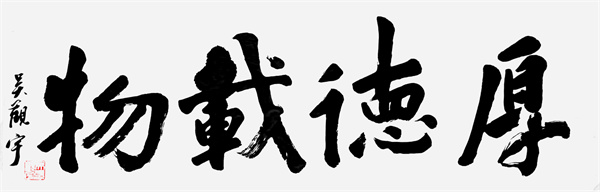
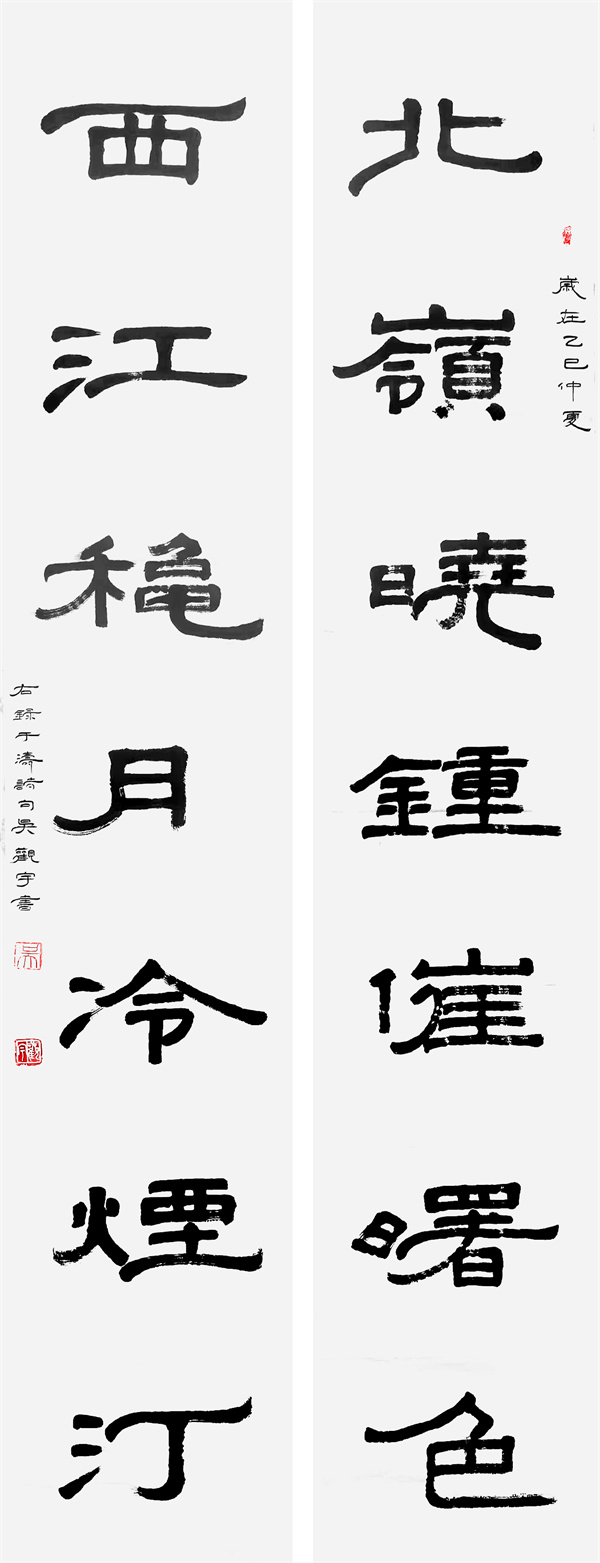
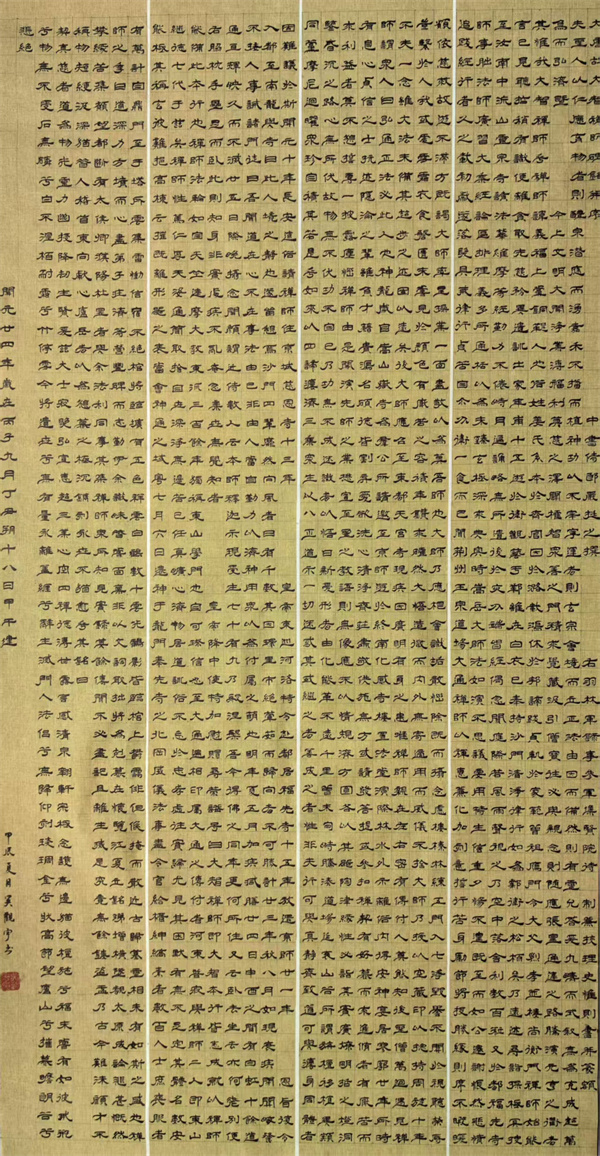
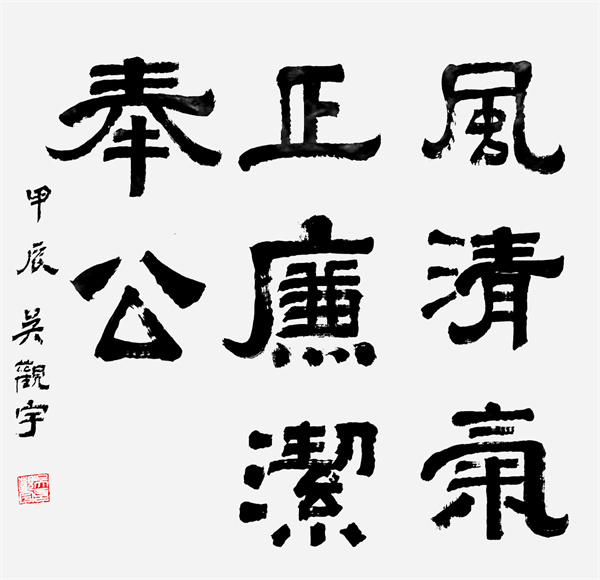
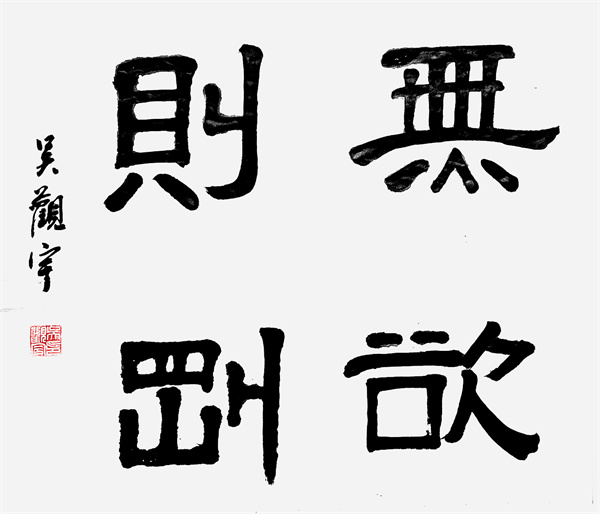
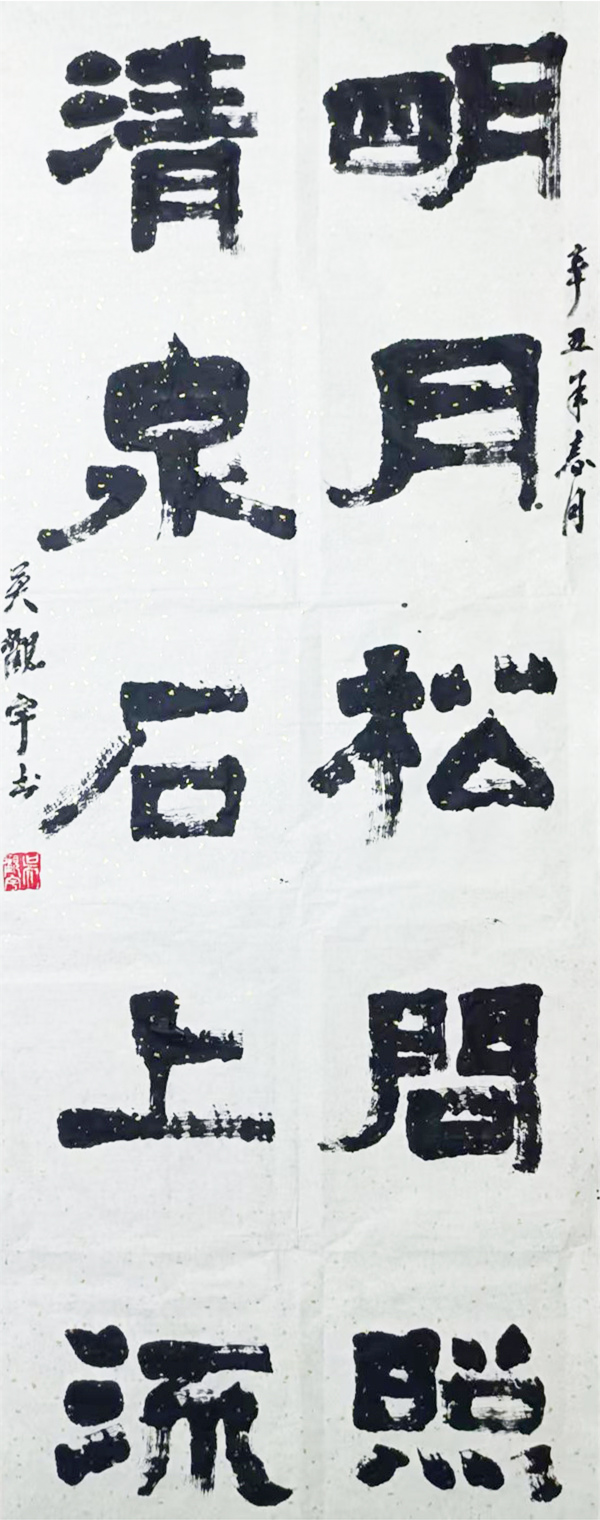
Liu Xizai once had the theory that "the form of seal script is opposite to that of seal script, but the meaning of seal script should be used in conjunction with seal script." Wu Guanyu was a practitioner of the fusion of steles and inscriptions, and his works showed ancient meanings in seal script and seal script, and demonstrated his temperament in various styles.
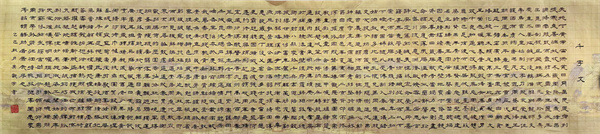
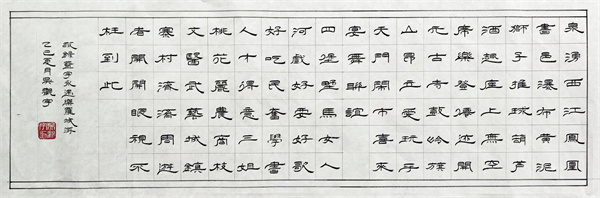
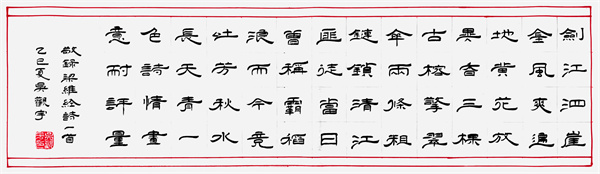
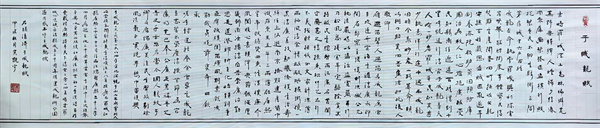
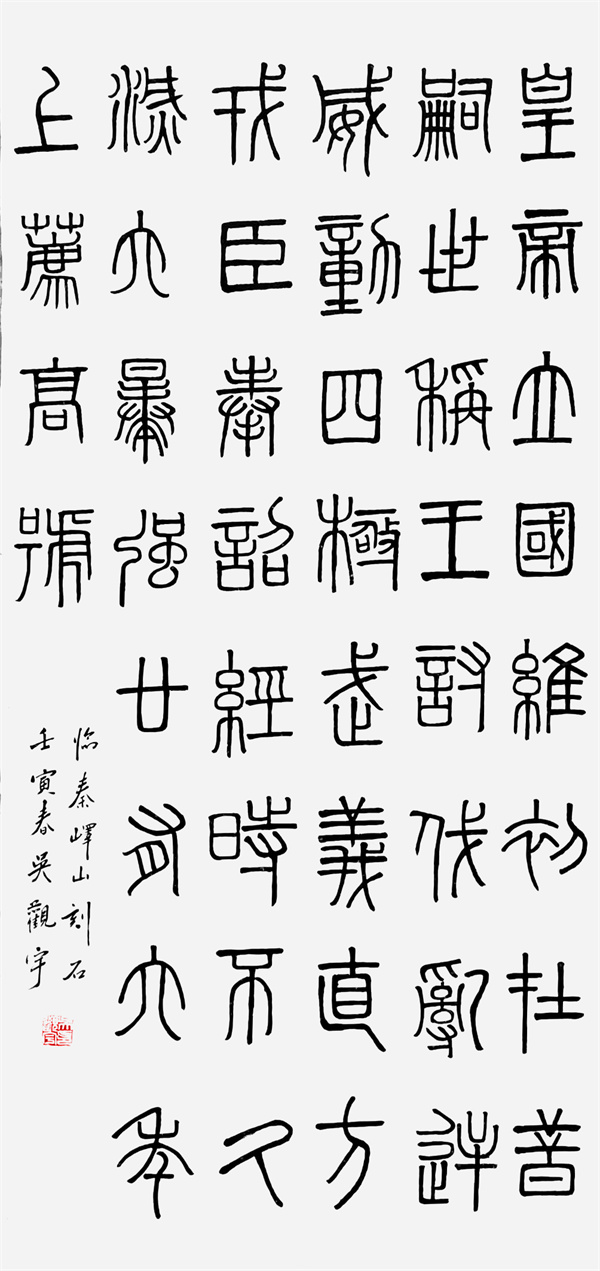
Wu Guanyu's clerical script takes the end stability of the Han dynasty's "Yi Ying" and the vertical elegance of the "Shi Men Song", and also incorporates the brush of seal script into the script, making the "silk head and tailcoat" wrapped in the aura of gold and stone, with lines like "folding knife heads" cutting and containing round strength, which is a modern expression of my interpretation of "square strength and ancient simplicity". Seal script works (such as Qin Yishan stone carving) break away from the rigidity of Qin seal script and incorporate square folds of clerical meaning into the even and clean lines, creating a sense of ups and downs in the seal script's "exquisite form", which is in line with Cai Yong's aesthetic core of "having six seal scripts in body, exquisite and profound".
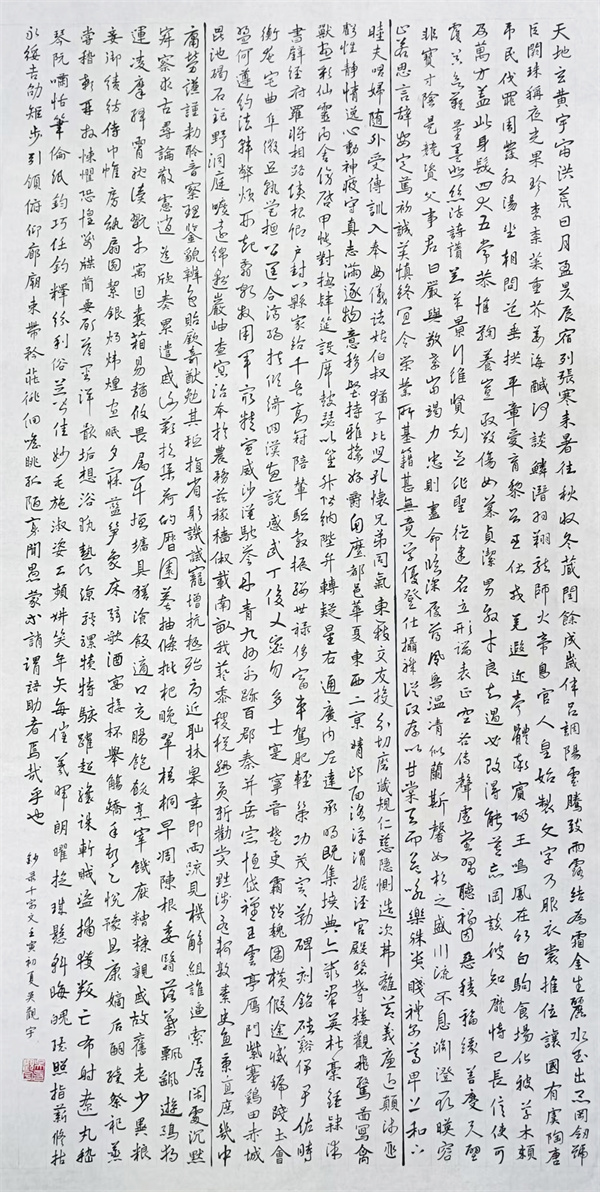
The running grass is erected on steles and bones, and the rhyme is connected to the spirit. The ink color fluctuates and shows the spirit of Xu Wei style, but it is not wild or strange. It still adheres to the ancient saying of "using the pen as a center", which is the balance between Zhao Mengfu's "using the pen for eternity" and the late Ming Dynasty's "emphasizing strength and meaning". Its small characters are even more ingenious: using the Li method to make regular script, the characters are as wide and broad as Han bamboo slips, the strokes are raised and pressed like running grass, and the "flying" is hidden in the "stable end".
The value of Wu Guanyu lies in his ability to maintain integrity without sticking to the past: he takes seal script and clerical script as his roots, but allows various forms to interact with each other, enabling the coexistence of "ancient clumsiness" and "new changes" - just as Wei Heng's "Four Forms of Calligraphy" stated, "power is determined by circumstances". His books not only retain the "form" of words, but also highlight the "momentum" of art, which is a vivid practice of contemporary calligraphy to "uphold tradition and create new things".




Copyright Notice: Original content on this website is welcome to be reposted. Please indicate the source when reposting, Global Art Network www.caanets.com; Some of the content posted on this website comes from the internet. If there is any infringement, please contact this website to delete it.
Daily recommendations
- [Exhibition]Sketching Public Education ...
- [News]Russian Avant garde Art Exhibition
- [News]Stone Tiger's Last Ten Yea...
Weekly hot topics
- 1Tianyu Ballad showcases the ...
- 2Wu Shanming Chinese Brush In...
- 3Three calligraphers go to Pi...
- 4Kunyun Danqing · Yongkun Op...
- 5The Art Exhibition of 'Circu...