常书青Chang Shuqing
2025-12-04 07:20:49 Art weekly

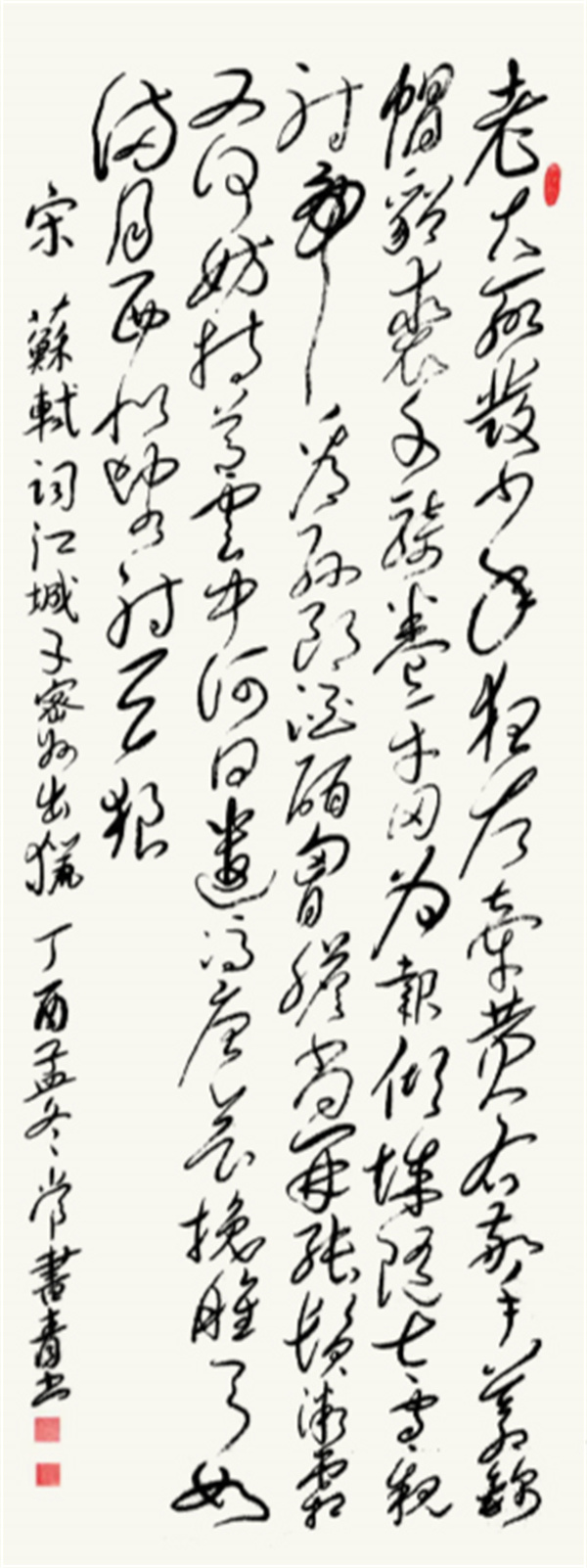
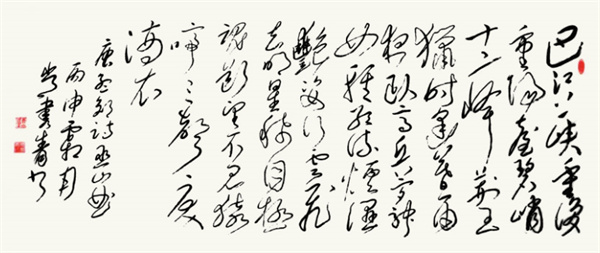
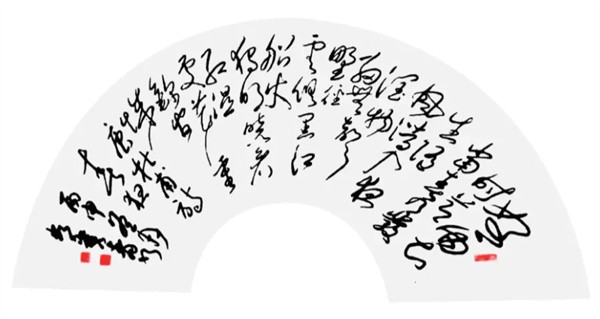
Chang Shuqing, male, born in August 1951 in Changzhou, Jiangsu Province, holds a bachelor's degree and holds the titles of Senior Political Engineer, Deputy Chief Physician, and National First Class Artist.
Currently a member and director of the Chinese Calligraphers Association (HK); Member of the Chinese National Calligraphers Association; Member of the Chinese Elderly Calligraphy and Painting Research Association; Member of Jiangsu Elderly Calligraphy and Painting Research Association: Member of Changzhou Calligraphers Association; Member of Changzhou Elderly Calligraphy and Painting Research Association, currently appointed as Vice Chairman of China National Art Association; Honorary President of China Baishi Calligraphy and Painting Academy; Honorary Chairman of Beijing Forbidden City Calligraphy and Painting Academy, etc.
In the past decade, calligraphy works have won various awards more than 100 times in national calligraphy and painting exhibitions and competitions. And published a personal calligraphy monograph and collaborated with renowned calligraphers and painters such as Ouyang Zhongshi, Shen Peng, Su Shishu, Zhang Hai, Chen Hongwu, and Liu Dawei to produce a total of 19 books on calligraphy and painting. In recent years, he has been awarded dozens of honorary titles such as "Grandmaster", "World Cultural Mentor", "Chinese International Art Master", "Love Party and Patriotic Literary Model" by multiple literary and artistic groups and cultural institutions.
Impressions of Chang Shuqing's Calligraphy
Huang Jinliang (Editor in Chief of Chinese Painting and Calligraphy Guide)
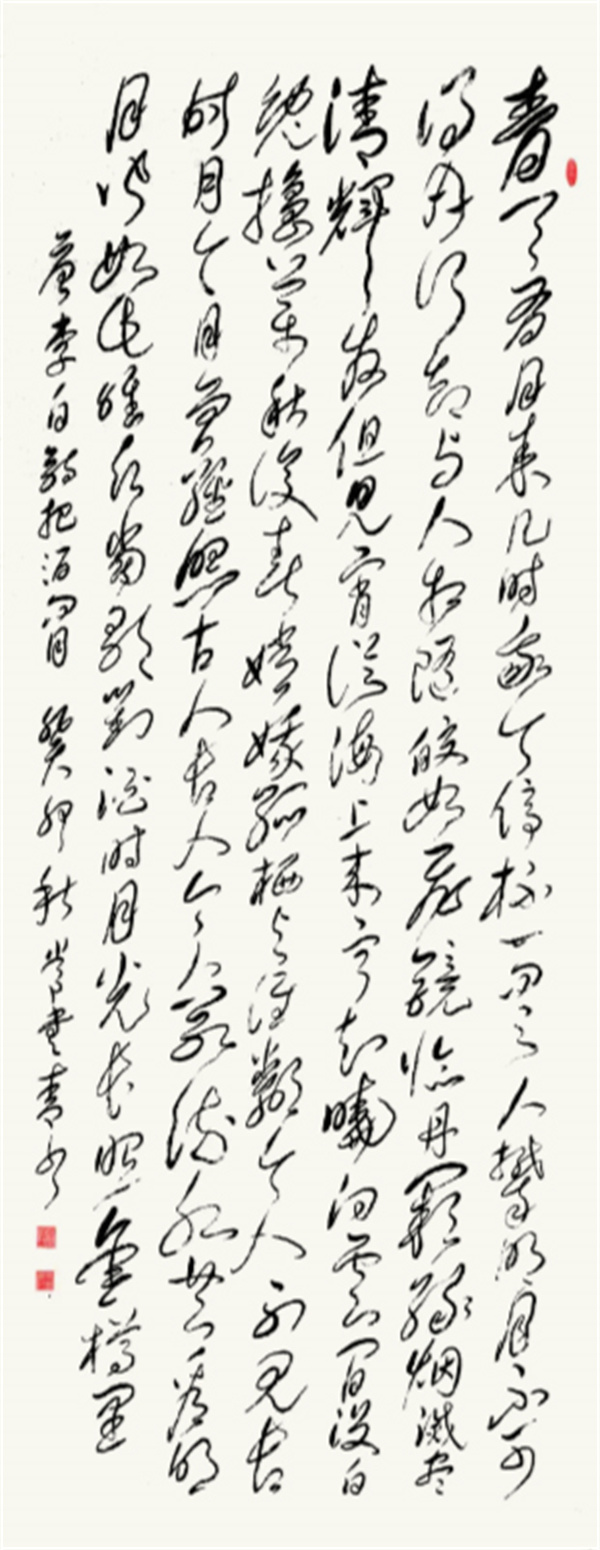
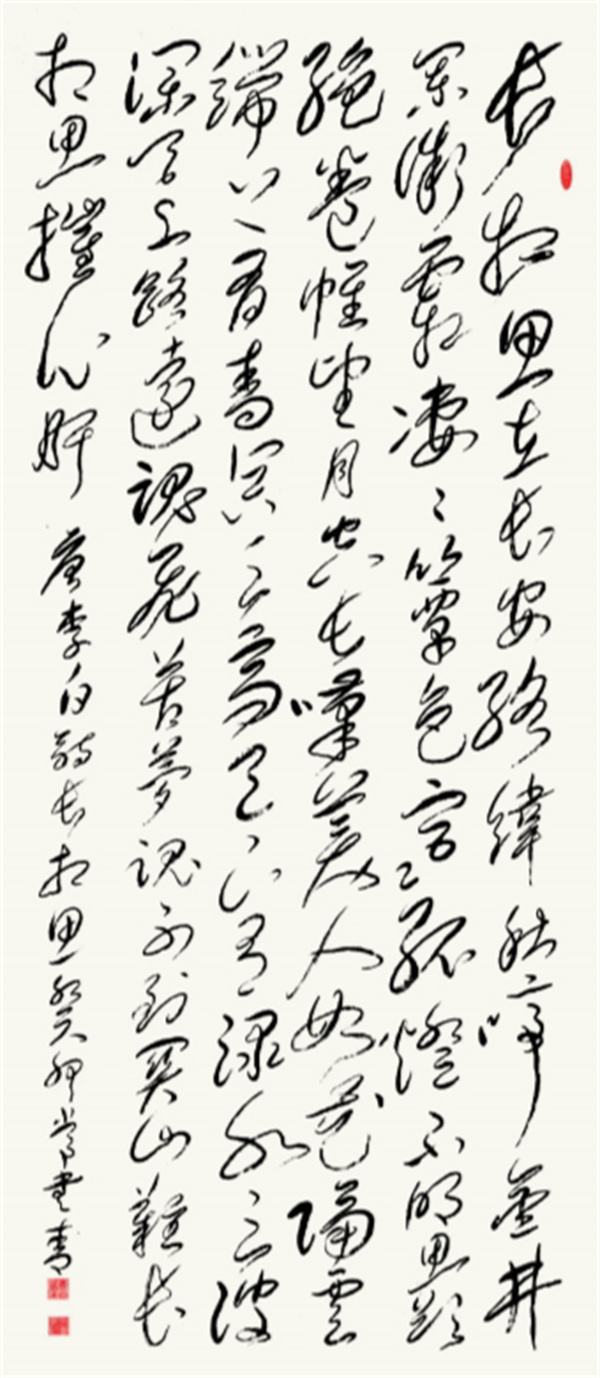
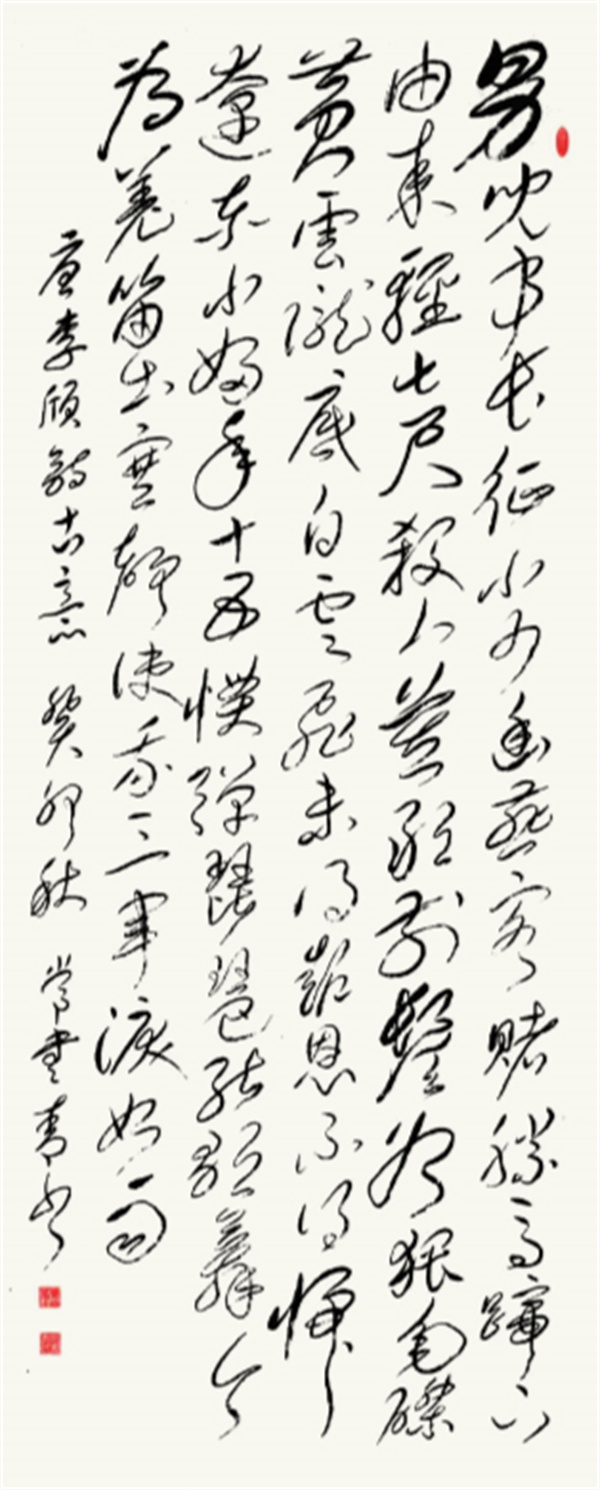
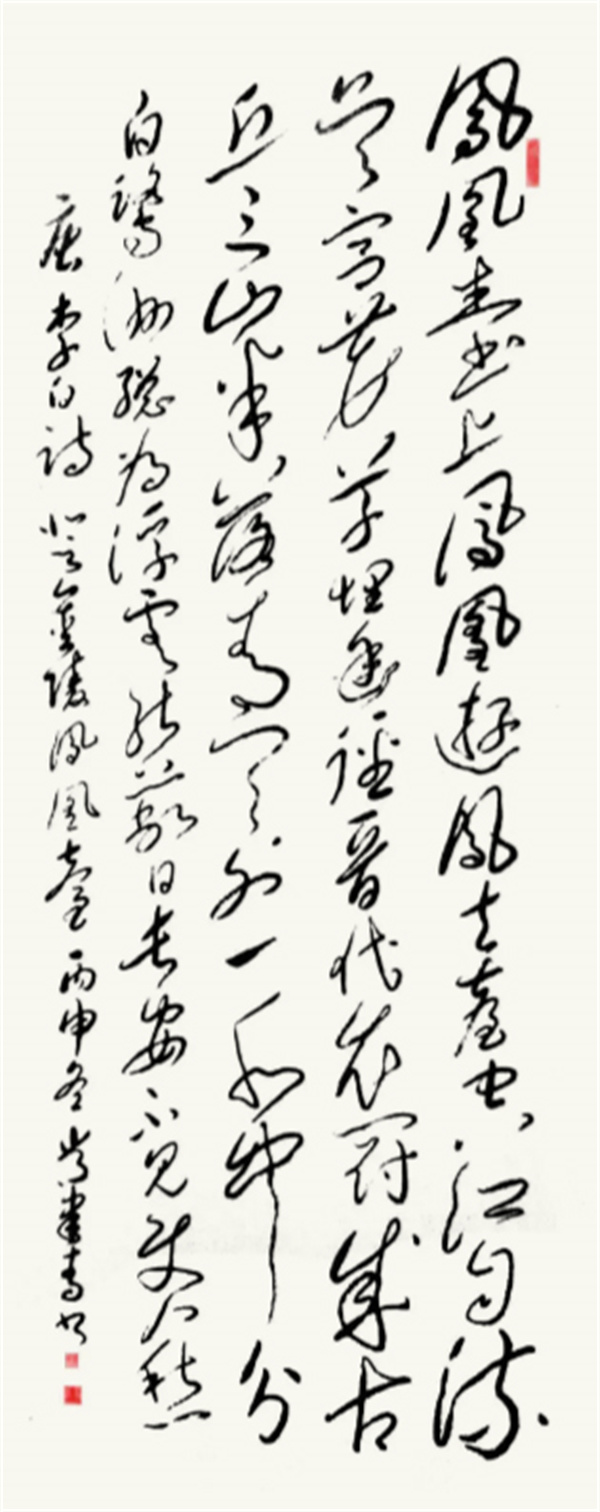
Chang Shuqing's calligraphy is a symbiotic combination of traditional brushwork and modern temperament, just as Cui Wan's "Grass Script Trends" stated, "Anger and melancholy in animals, release and wonder", opening up a unique spiritual realm between law and freedom.
He used steles as bones and inscriptions as rhymes, and adapted the four styles of seal script, clerical script, regular script, and cursive script. The oracle bone script wrote "there is movement in stillness, and stillness in movement," which captures the charm of ancient and clumsy oracle bone inscriptions; The method of selecting seal script is to "follow the body and examine the scenery", and the strokes contain the beauty of "twisting and turning", as Kang Youwei said, "When a round pen is twisted, it becomes smooth"; The cursive style reflects one's temperament, with a long and sharp edge and a sheep's hair fluttering freely. It embodies the elegance of the "Two Kings" and the strength of the Han stele, with a brushwork that reads "like Du Bo swallowing poison and pulling a snake into his hole". The ink color is dry and moist, mixed and swollen without rotting, exuding the charm of "water blending ink seal".
His cursive script does not adopt a wild and strange posture, but shows calmness in the "few details need to be wonderful" - the lines "exert force outside the words but hide edges", and the composition "follow the shape and arrange the momentum, and the virtual and real complement each other", which not only conforms to Zhang Huaiguan's theory of "grass runs out and the momentum is not enough", but also secretly conforms to Zhu Xi's tolerance of "not being bound by the law, not seeking detachment from the law". This kind of "simple and unadorned" temperament is precisely his annotation of the ancient as a new footnote: imitating the Han stele without muddying its shape, using the Jin and Tang dynasties to express his own ideas, allowing the millennium old brushwork to grow with the vitality of "ancient trees and new flowers" in the contemporary context.
In the tension between practicality and aesthetics, adherence to righteousness and adaptability, Chang Shuqing's works confirm the essence of calligraphy as a "painting of the heart" - it is both a reverence for tradition and a natural flow of temperament. As Liu Xizai said, "The path of grass is ever-changing, and those who are not content with the divine can stop at the highest good." The "truth" and "sincerity" between his brush and ink are precious qualities of the contemporary calligraphy world.


Copyright Notice: Original content on this website is welcome to be reposted. Please indicate the source when reposting, Global Art Network www.caanets.com; Some of the content posted on this website comes from the internet. If there is any infringement, please contact this website to delete it.
Daily recommendations
- [Exhibition]Sketching Public Education ...
- [News]Russian Avant garde Art Exhibition
- [News]Stone Tiger's Last Ten Yea...
Weekly hot topics
- 1Tianyu Ballad showcases the ...
- 2Wu Shanming Chinese Brush In...
- 3Three calligraphers go to Pi...
- 4Kunyun Danqing · Yongkun Op...
- 5The Art Exhibition of 'Circu...