王淬成Wang Cuicheng
2025-11-24 23:09:21 Art weekly
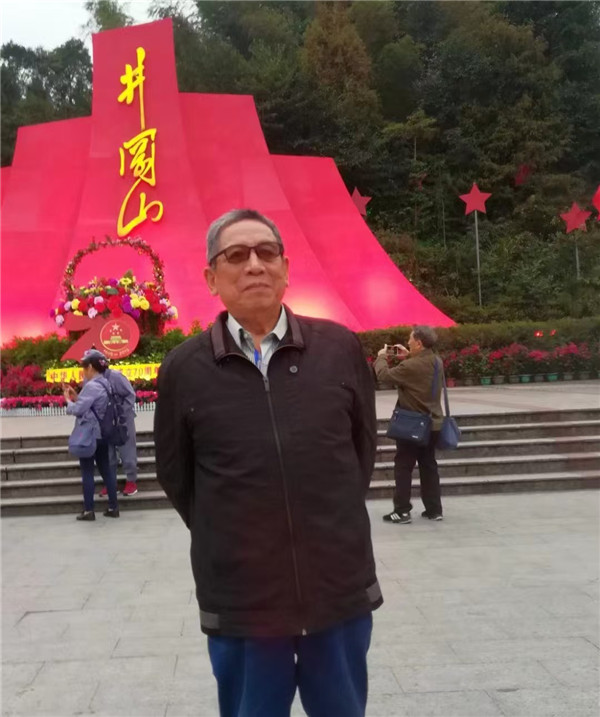
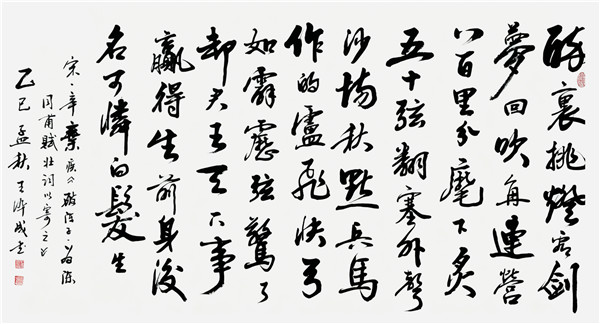
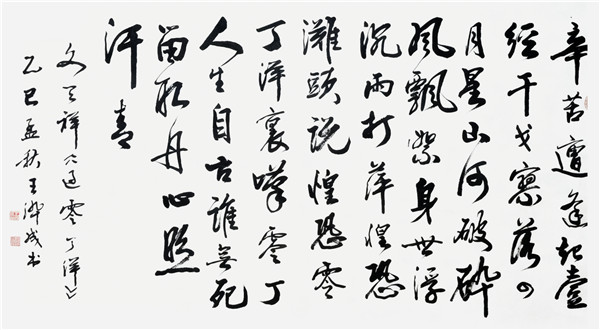
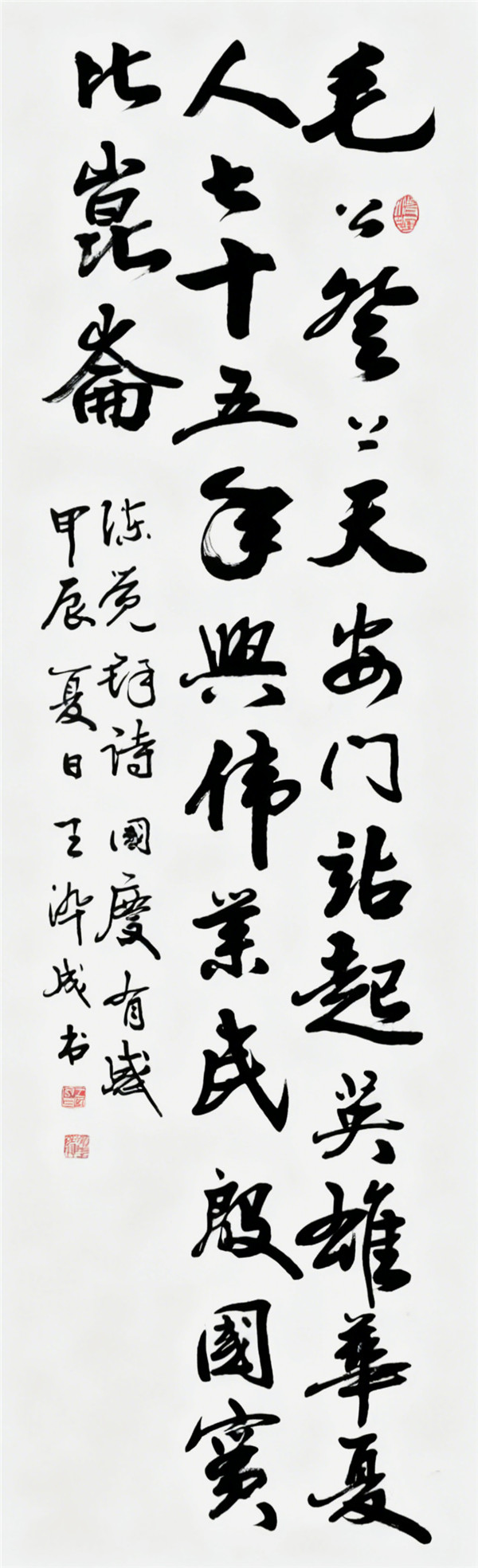
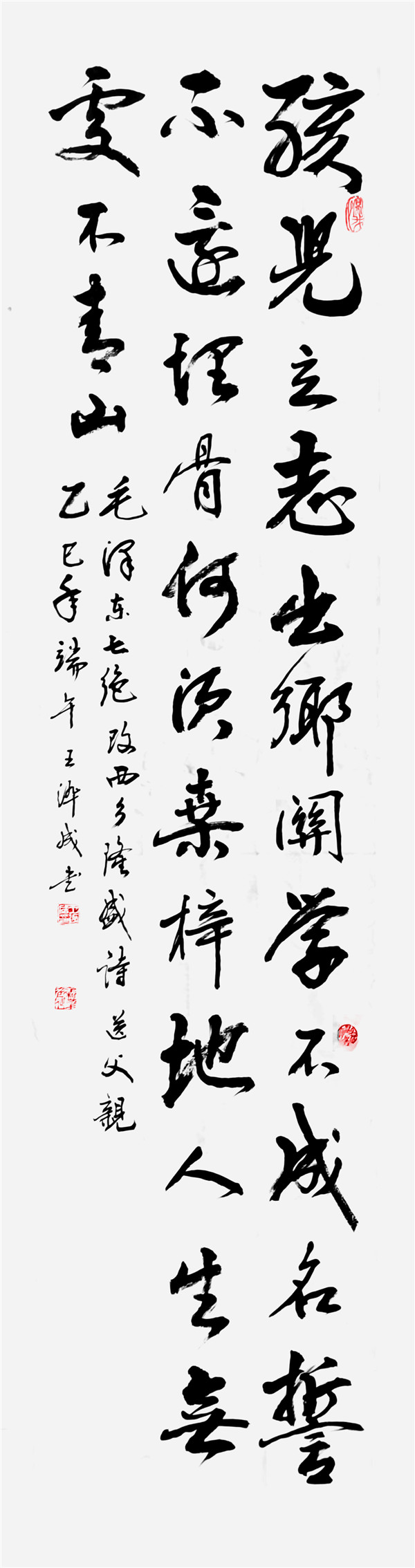
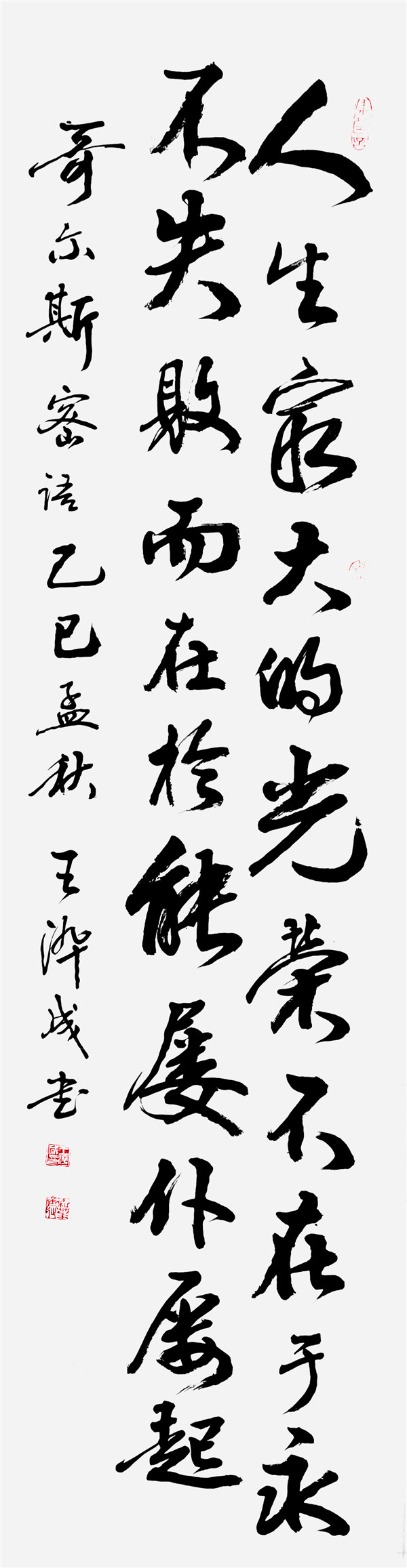
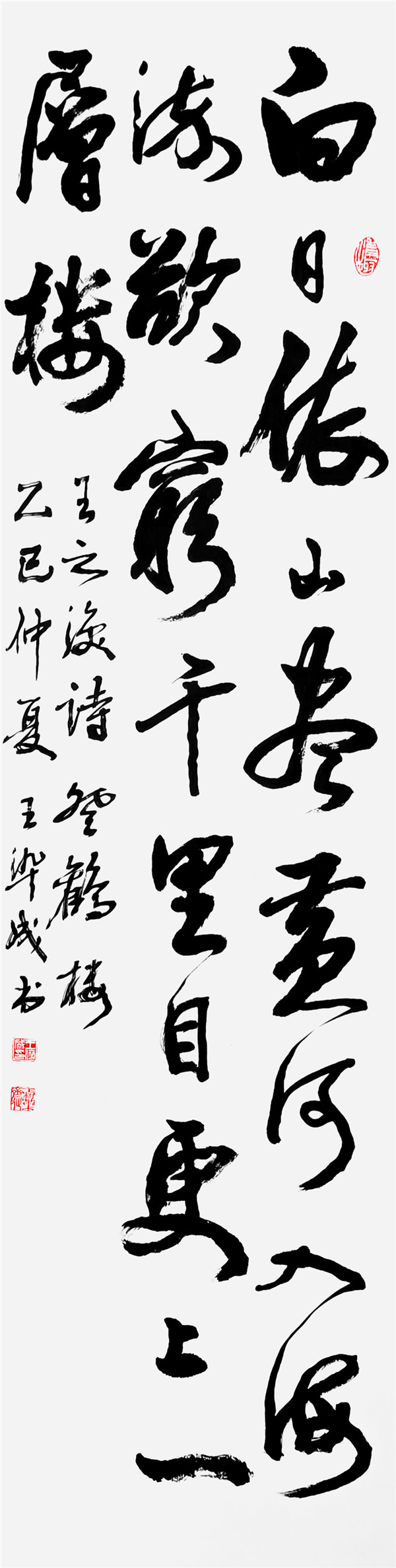
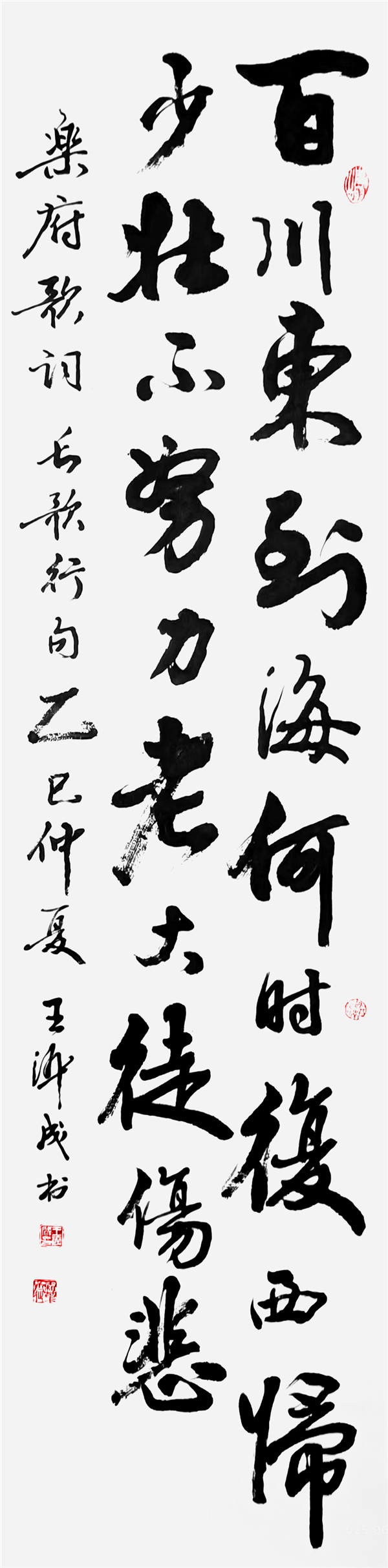
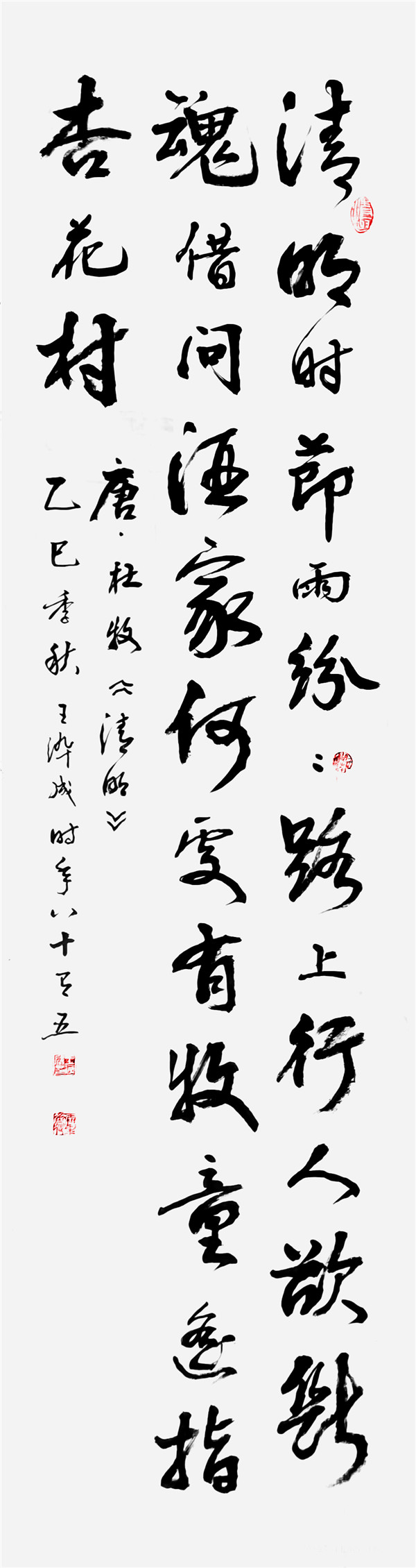
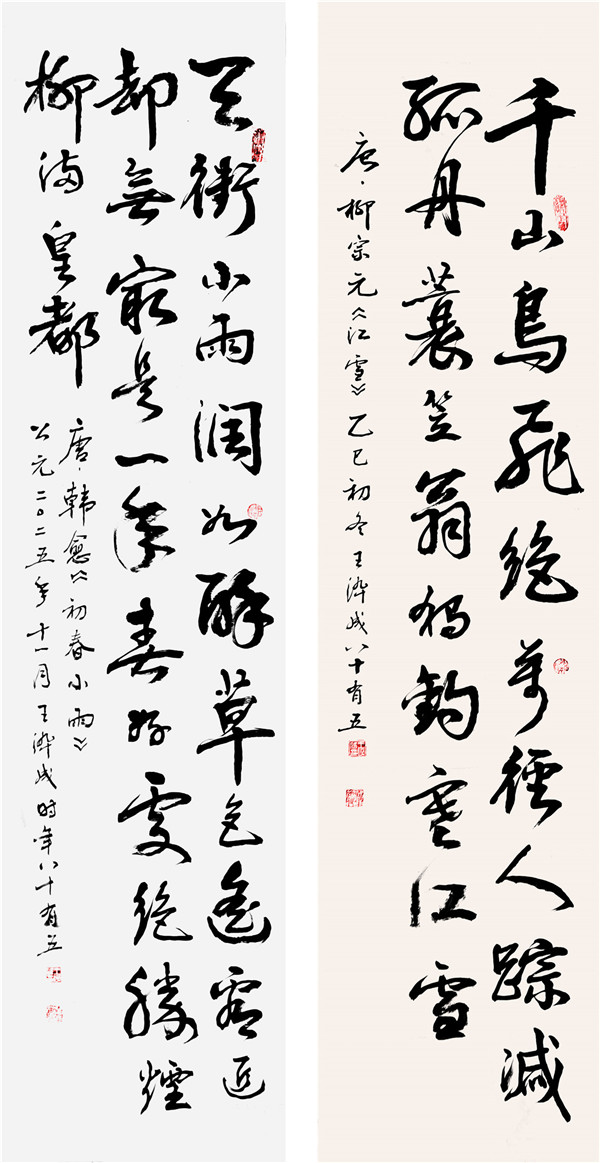
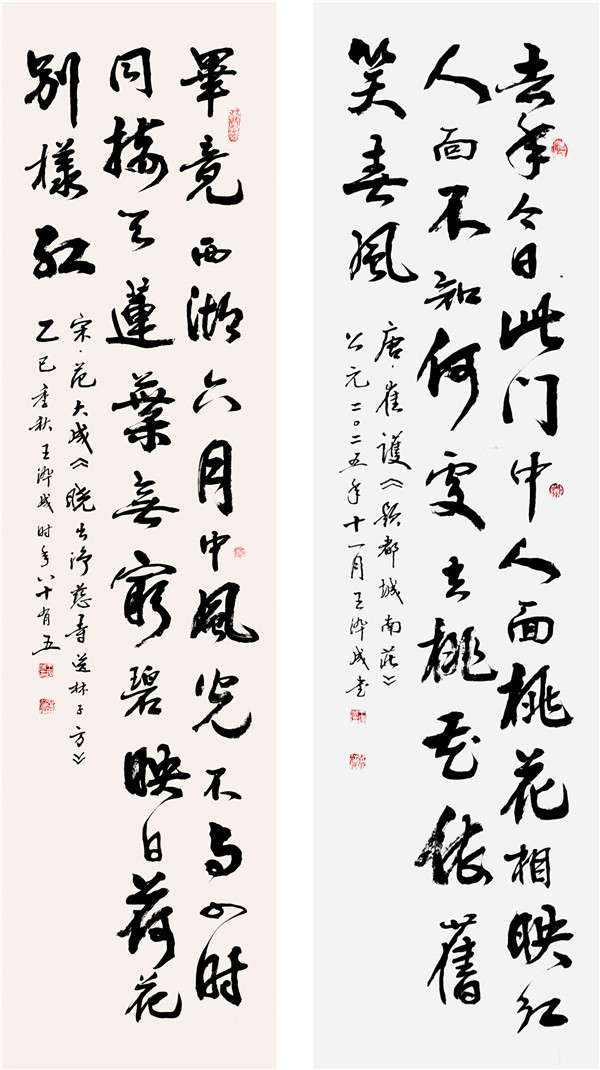
His calligraphy works are most prominent in running script, with a style that is characterized by a steady center of gravity, vigorous brushwork, rounded structure, smooth layout, and staggered patterns. Tibetan Art Network once awarded him the honorary title of "Model of New Era Calligraphy and Painting Art". His running script works are collected by the Palace Museum.
Learning calligraphy experience: Good calligraphy works are the product of a combination of hard work and understanding ability. As long as a person can persist and be good at reading, writing, and transforming posts for a long time, they will definitely be able to turn the ancient sages' brushwork and beautiful shapes into their own masterpiece.
Calligraphy refinement: 800 yuan per square foot
Heart chasing hand in hand, facing the teacher's stele, taking the method from the book to convey the message
——Famous calligrapher Wang Cuicheng
Yang Zhenming
Mr. Wang Cuicheng, a calligrapher, is known for his virtuous cultivation and elder demeanor. Whether in artistic achievement or personal cultivation, he possesses a unique personality. Those who excel in both morality and art will inevitably carry on the literary legacy of calligraphy, embodying the humanistic connotation of traditional literati who prioritize the worries of the world and enjoy the pleasures of the world. Each calligraphy work not only embodies the refinement of techniques, but also highlights the sublimation of ideas! Therefore, when viewing Mr. Wang's calligraphy works, one often exclaims: writing about culture with a pen and praising the era with a pen; To establish a voice for heaven and earth, and to continue the pursuit of excellence for the future!
From the perspective of the cultivation and inheritance of calligraphy, Mr. Wang pursued the pursuit of "learning from a master" in the practice of calligraphy and ink. He studied under calligraphy masters Jiang Xingguo and Cai Delin to hone his calligraphy skills, either through home education or by extracting the essence of meaning, which gave him the opportunity to draw inspiration from the principles of calligraphy. Also, due to Mr. Wang's persistent dedication to studying calligraphy and painting, and his deep understanding of the teachings of various dynasties, he finally grasped the true essence of the Way of Writing and wrote the golden calligraphy characters that perfectly fit his needs! He is a rare calligrapher in the contemporary calligraphy world who uses both inheritance and innovation as dual driving forces, possessing both profound inheritance and brilliant innovation!
The guiding ideology for Mr. Wang's calligraphy learning and creation is to use regular script as the foundation, focus on running script, and practice clerical script as a supplement. He has extensive knowledge and is proficient in various books. He studied regular script and adopted the method of Chu Suiliang. He believes that Chu Kai has both the regularity of regular script and the elegance of running script, making it the preferred basic textbook for learning running script. He deeply loved the flexible strokes of Chu Kai and the style of cursive script. Following the basic requirements of the Eight Methods of Eternal Character, he started with basic skills and continued to copy, finally writing Kai script with a grand and vivid style. The top and bottom are not even, the left and right are not square, there is no operator like appearance, it is full of artistic freedom. It breaks away from the shortcomings of contemporary regular script printing and writes the true kung fu of not deceiving others with law and not deceiving the world with merit! A true calligrapher must have Mr. Wang Cuicheng's solid foundation in regular script to achieve impressive calligraphy skills!
Li script is known as the "Kai script" of the Han Dynasty. In the process of selecting methods, Mr. Wang has also made meticulous research and practice on the integration of Li script, and has also achieved excellent results in selecting and mastering methods. His clerical script follows the elegant style of stele characters such as Cao Quan Stele and Yi Ying Stele, and is written very rigorously, without rough Jianghu characters or artificial exhibition style. He holds the pen in his hand and moves it in his heart, resulting in the elegant style of Cao Quan Stele and the majestic style of Yi Ying Stele with his strokes! In the later period, he devoted himself to studying Jin Nong's "Huashan Temple Stele" for several years, learning from his innovative spirit and transforming his own clerical script, giving it a new style and a unique flavor.
If regular script and clerical script mainly reflect the characteristic of Mr. Wang's calligraphy of "adhering to the law", then viewing his running script works can experience his calligraphy's expression of "from the heart". He studies cursive script and attaches great importance to reading and observing the preface of Lanting! Once with the right foot, twice with the right posture, three times with the right foundation, four times and five times with the right posture, you can pull and move freely and skillfully! Through the heart chasing and hand touching of the Two Kings' teachings, the principles of the Book of Rites are silently expressed in the heart and transparent in the pen! By cutting paper in the air and dividing it into three parts, the intensity and speed are controlled in a particularly precise manner. Through the teacher's unconstrained shaping, a new literati style of "stable center of gravity, vigorous brushwork, rounded structure, and smooth and upright posture" has been formed, which is in line with the natural qualities of calligraphy of literati in the Jin Dynasty. Wang Xizhi's "Preface to Lanting" is an introductory textbook for Wang Cuicheng to learn cursive script, laying a solid foundation for his cursive script; The tight strokes and powerful strokes in Wen Zhengming's "Preface to Tengwang Pavilion" contributed to the style of his late cursive script. Influenced by Mi Fu's idea of "collecting ancient characters and forming his own style", he loved to read and consult calligraphy dictionaries, taking the strengths of hundreds of styles for him to use, enriching his cursive strokes and character structure.
Heart chasing hand in hand, facing the teacher's stele, taking the method to convey the message on the book. His cursive script, in a calm and vigorous manner, not only showcases the charm of exquisite calligraphy, but also highlights the transmission of traditional culture's dragon veins! This is an important reason why his calligraphy has gained influence at the professional level and appeal at the aesthetic level. Whether it's winning a gold medal at a high-end book fair or having a rank of one foot in the art market, it can prove that this calligrapher's level of proficiency in reading, applying, and transforming calligraphy is impeccable and effortless!
(The author of this article, Yang Zhenming, is a renowned art critic)
Copyright Notice: Original content on this website is welcome to be reposted. Please indicate the source when reposting, Global Art Network www.caanets.com; Some of the content posted on this website comes from the internet. If there is any infringement, please contact this website to delete it.
Daily recommendations
- [Exhibition]Sketching Public Education ...
- [News]Russian Avant garde Art Exhibition
- [News]Stone Tiger's Last Ten Yea...
Weekly hot topics
- 1Tianyu Ballad showcases the ...
- 2Wu Shanming Chinese Brush In...
- 3Three calligraphers go to Pi...
- 4Kunyun Danqing · Yongkun Op...
- 5The Art Exhibition of 'Circu...