陆焕清Lu Huanqing
2025-11-22 19:30:07 Art weekly
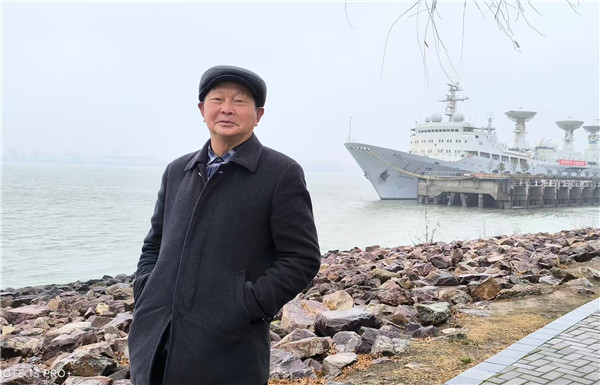
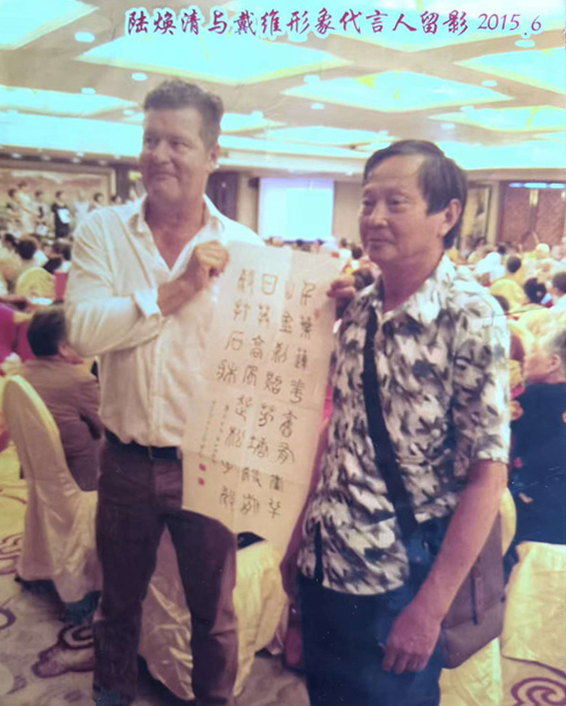
Lu Huanqing, born in 1948 in Wuxi, Jiangsu Province. I usually enjoy writing and drawing. After retirement, I went to Wuxi University for the Elderly to further my studies for 12 years. Later, I was employed as a full-time calligraphy and painting teacher at multiple schools. The works have been collected by multiple museums, temples, organizations, and individuals (including international friends). Has won gold, silver, and excellent awards multiple times in exhibitions at all levels. I am currently a member of the Yuqi Calligraphers Association, the Wuxi Elderly Calligraphy and Painting Association, the Chinese Calligraphy and Painting Guide Reader Club, a director of the Chinese Elderly Calligraphy and Painting Association, a researcher at the Global Hanmo Culture and Art Institute, and a national first-class calligrapher and painter. His literary and artistic works have been selected and published in local and national newspapers and magazines multiple times.
Pen and ink convey emotions, and the heart is clear on both sides
——The Aesthetic Connotation and Traditional Inheritance of Lu Huanqing's Calligraphy and Painting Art
Huang Jinliang (Editor in Chief of Chinese Painting and Calligraphy Guide)
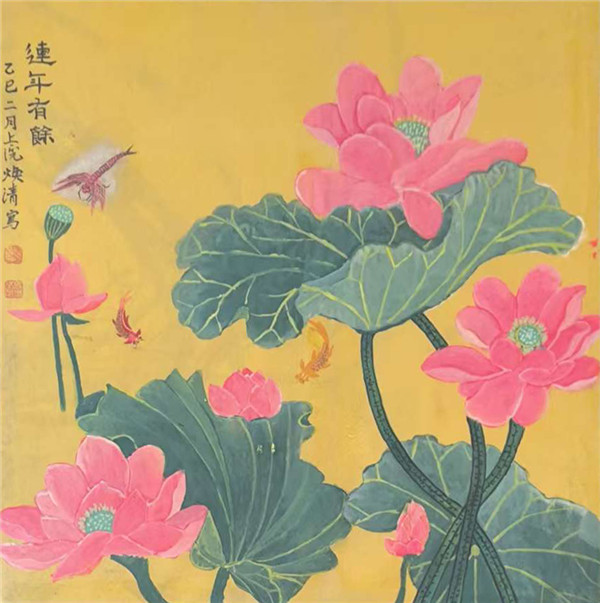
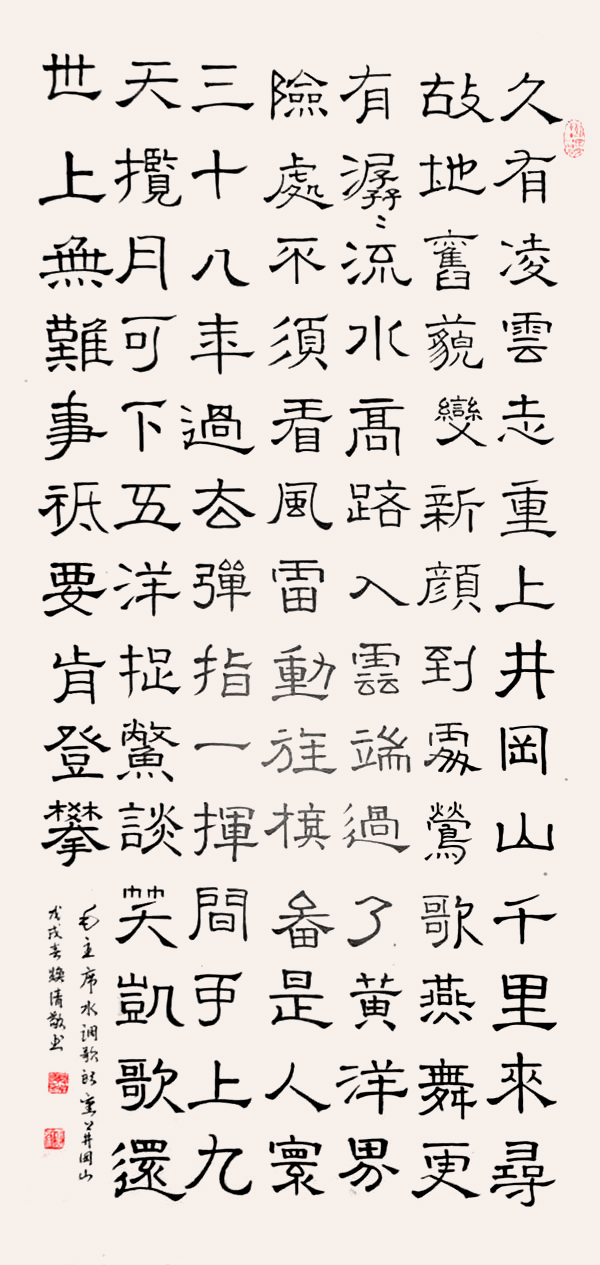
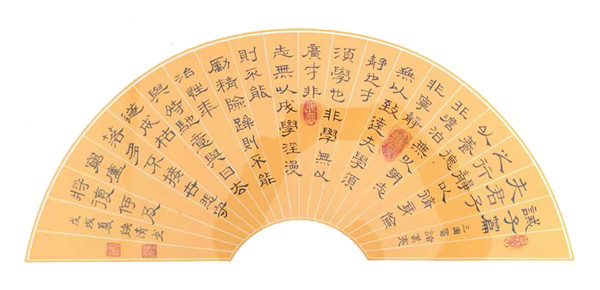
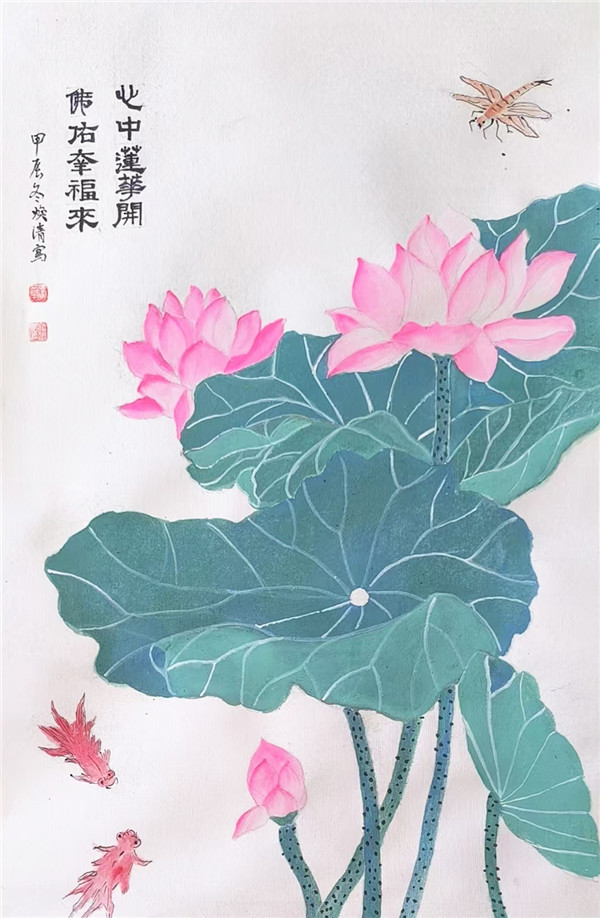
Lu Huanqing's calligraphy and painting art is deeply rooted in traditional brush and ink, and extends in the contemporary context. His works combine the interests of literati with a new aesthetic realm, and are a vivid interpretation of the traditional Chinese calligraphy and painting "integration of technique and Taoism".
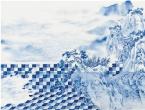
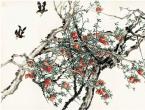
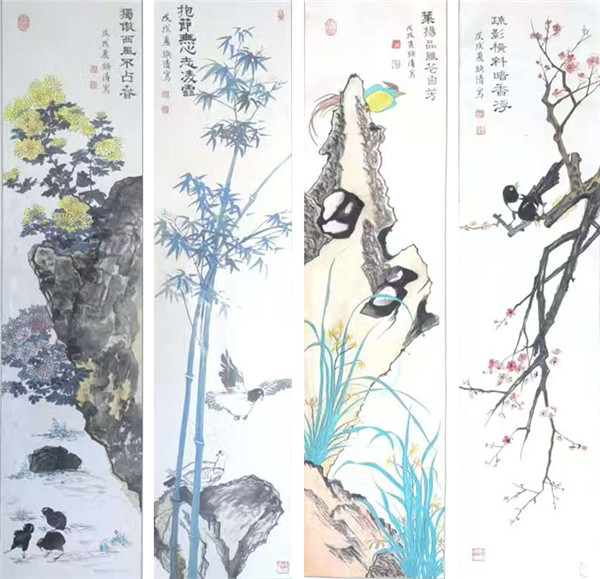
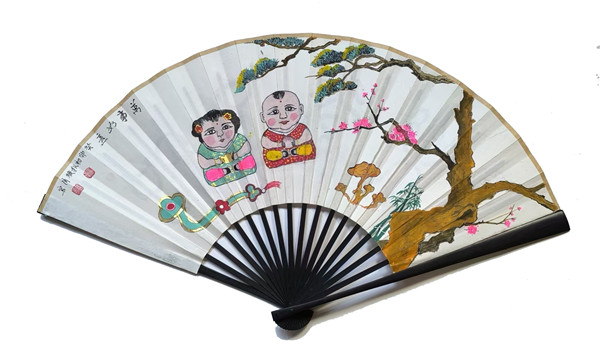
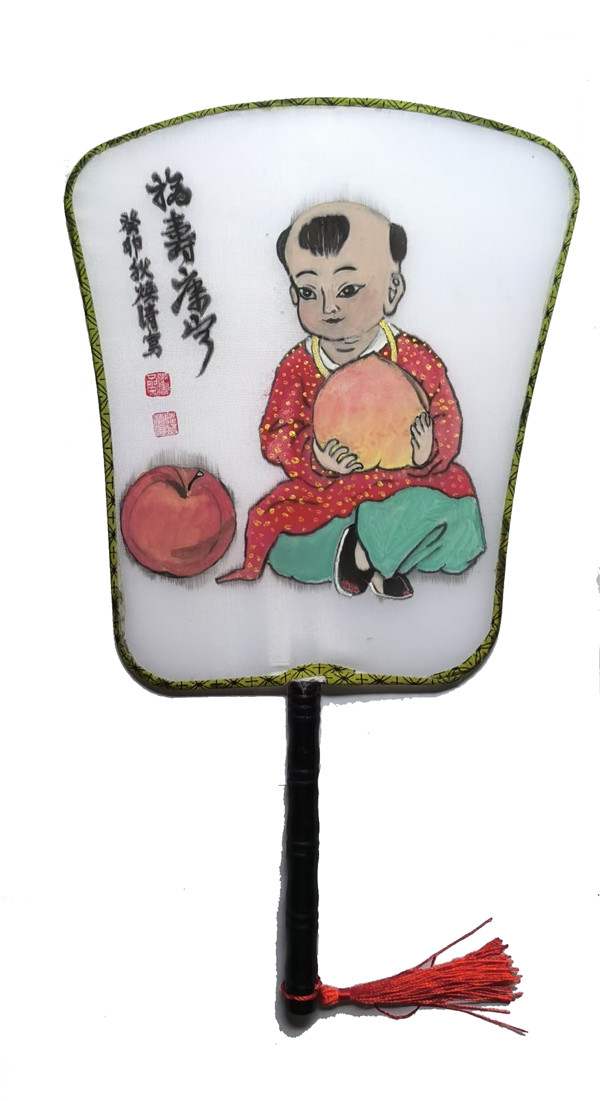
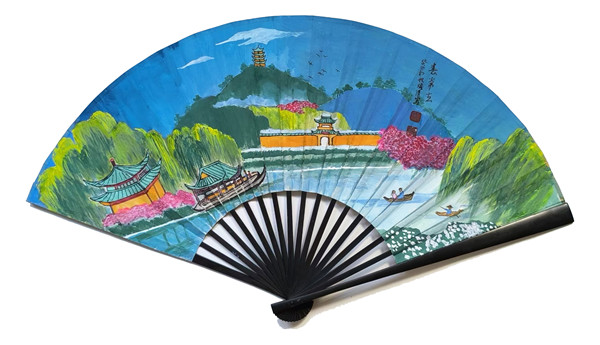
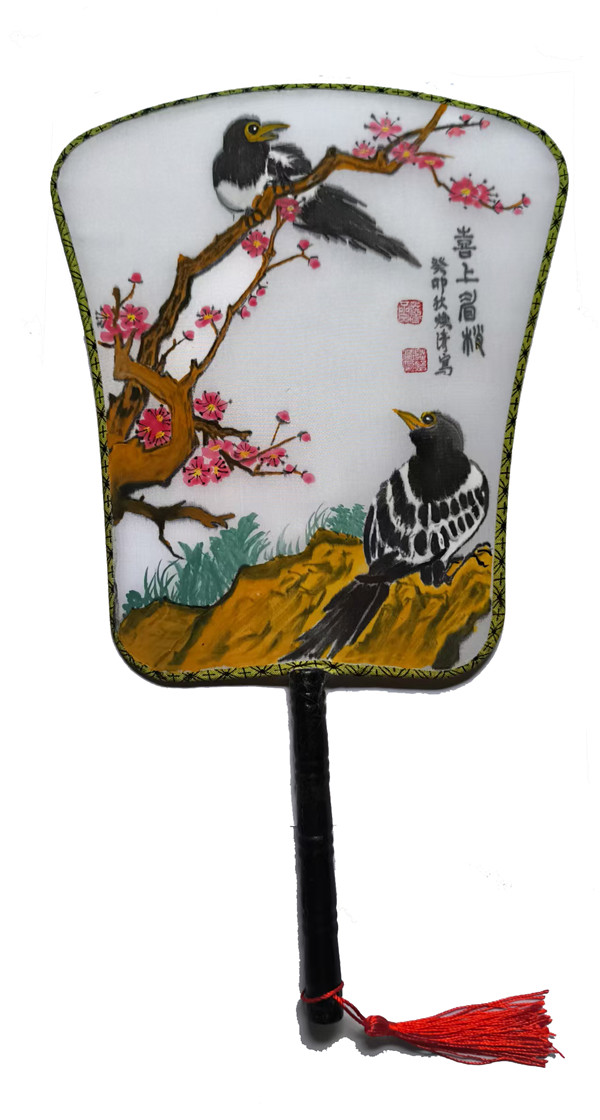
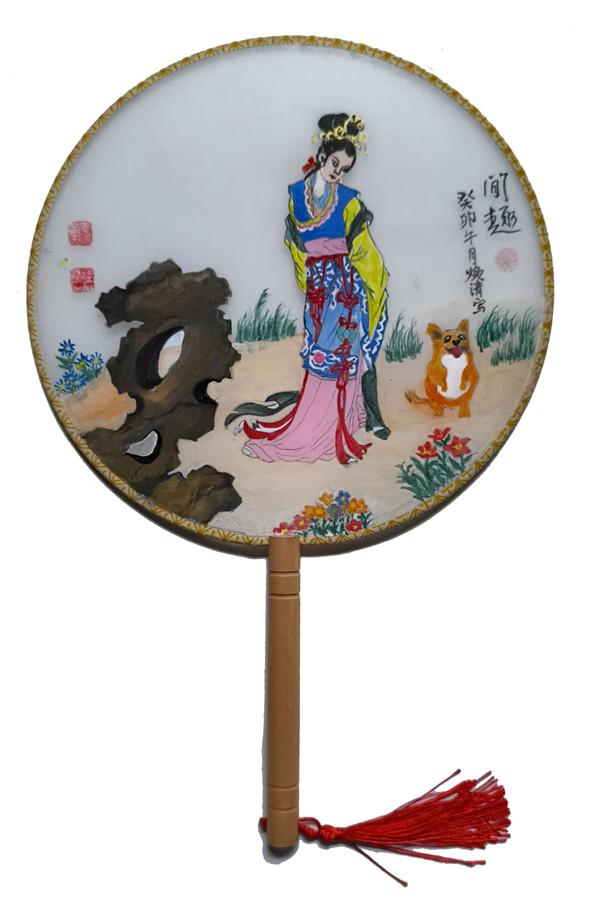
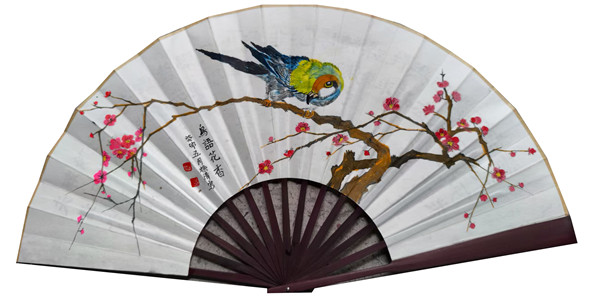
In the field of painting, his flower, bird, and landscape works fully embody the traditional freehand spirit. The fan-shaped painting "Oriole Welcoming Spring" and the round fan painting "Joyful Eyebrow" convey the literati painting theme of "sensing objects and expressing aspirations" through the agility of birds and the graceful arrangement of flower branches. The four screens of plum, orchid, bamboo, and chrysanthemum are a delicate interpretation of the cultural symbols of the "Four Gentlemen". The power and elegance of bamboo, the seclusion of chrysanthemums, the elegance of orchids, and the pride of plum blossoms are endowed with personalized aesthetic images in the brushwork, which is in line with Deng Chun's statement in the Song Dynasty that "the painter is the pinnacle of literature", and expresses emotions in figurative depiction. The landscape fan "Spring to Xuanwu" depicts the beautiful scenery of Jiangnan with bright colors, and the layout of pavilions, towers, lakes, and mountains is in line with the aesthetic tradition of "feasible, touristic, and livable" landscapes. It also incorporates the bright tension of modern vision, demonstrating an innovative expression of the traditional landscape paradigm.
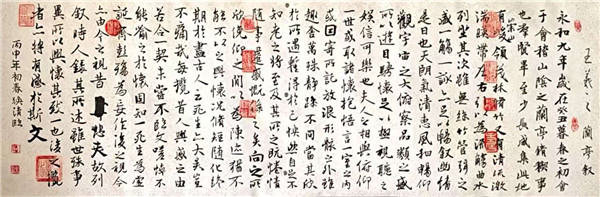
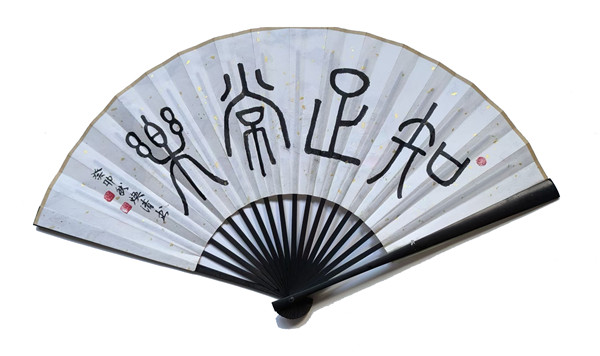
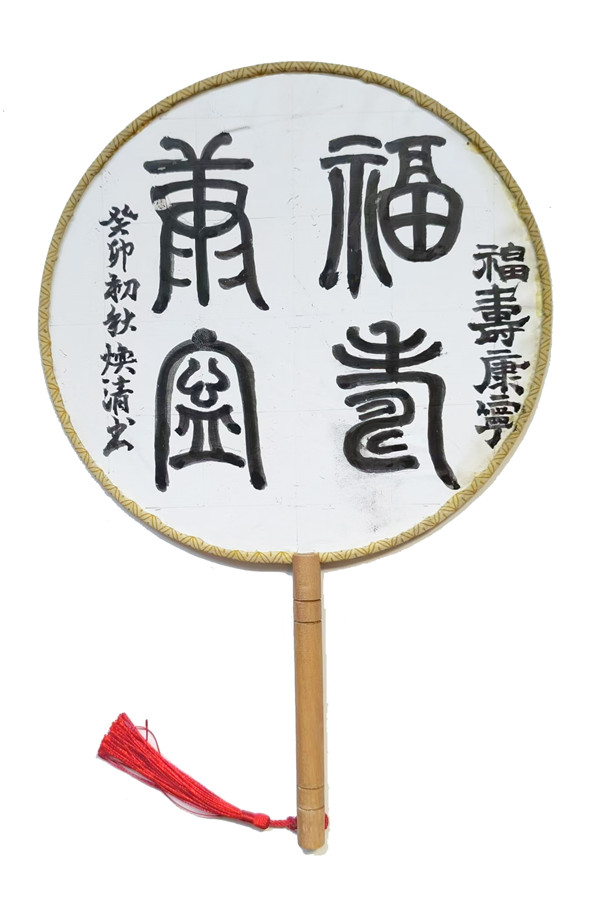
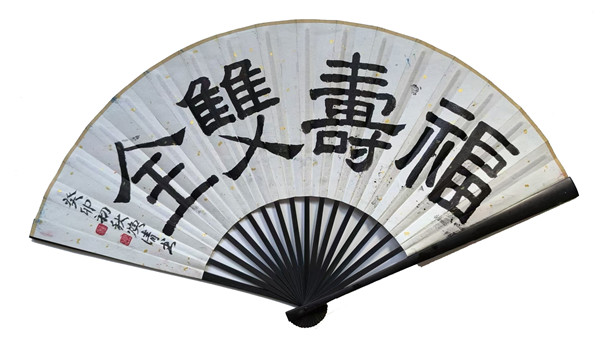
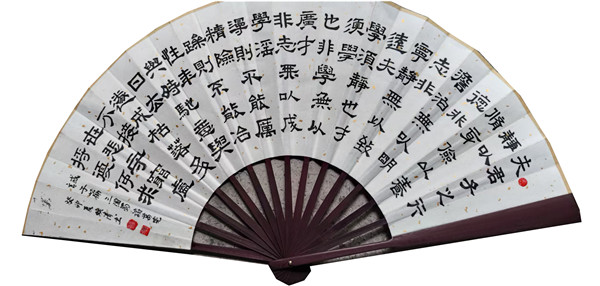
In calligraphy creation, he involves multiple styles, especially in terms of skill. Li script works have a square and upright structure, with a deep and vigorous brushwork. They embody the ancient and profound style of the Zhang Qian Stele, while also possessing their own charm of gold and stone. This confirms the true essence of calligraphy, which is that "characters are created by people first, and people have unique characters since ancient times". The regular script "Night Mooring at Maple Bridge" is rigorous in technique and precise in point drawing, showcasing the elegant style of Tang Kai and reflecting his profound practice of "calligraphy should be based on the pen, and the completion of characters also requires hard work" (Mi Fu's words). There is also the fan-shaped calligraphy, with clear and elegant handwriting and elegant layout, displaying the rhythm and melody of ink and brush within a short distance. It is a vivid presentation of the creative concept of "meaning comes before the pen, words come after the heart".
Throughout Lu Huanqing's calligraphy and painting, whether it is the emotional objects of painting or the brushstrokes of calligraphy, they are deeply rooted in the soil of traditional Chinese literati art. Based on a solid foundation in brushwork and a profound understanding of traditional cultural context, he achieved a balance between technique and artistic conception, inheritance and innovation in his works. As the Qing Dynasty poet Duan Zhongguang said, "Ink is not effective without nurturing, and pen is not lively without life." His calligraphy and painting are dynamic and lively due to the observation of life and the immersion of learning, and he has outlined an artistic landscape of "dual clarity of mind" in the contemporary calligraphy and painting industry.

Copyright Notice: Original content on this website is welcome to be reposted. Please indicate the source when reposting, Global Art Network www.caanets.com; Some of the content posted on this website comes from the internet. If there is any infringement, please contact this website to delete it.
Daily recommendations
- [Exhibition]Sketching Public Education ...
- [News]Russian Avant garde Art Exhibition
- [News]Stone Tiger's Last Ten Yea...
Weekly hot topics
- 1Tianyu Ballad showcases the ...
- 2Wu Shanming Chinese Brush In...
- 3Three calligraphers go to Pi...
- 4Kunyun Danqing · Yongkun Op...
- 5The Art Exhibition of 'Circu...