徐尚武Xu Shangwu
2025-11-19 10:38:10 Art weekly
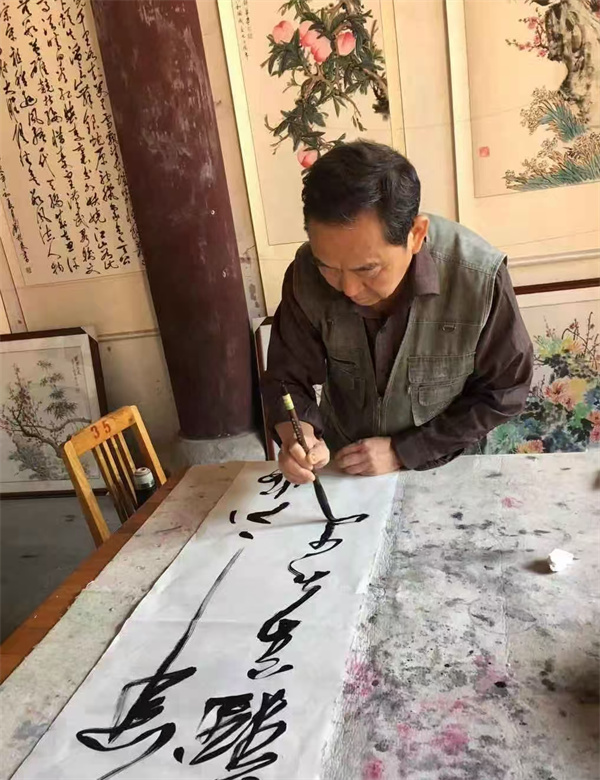
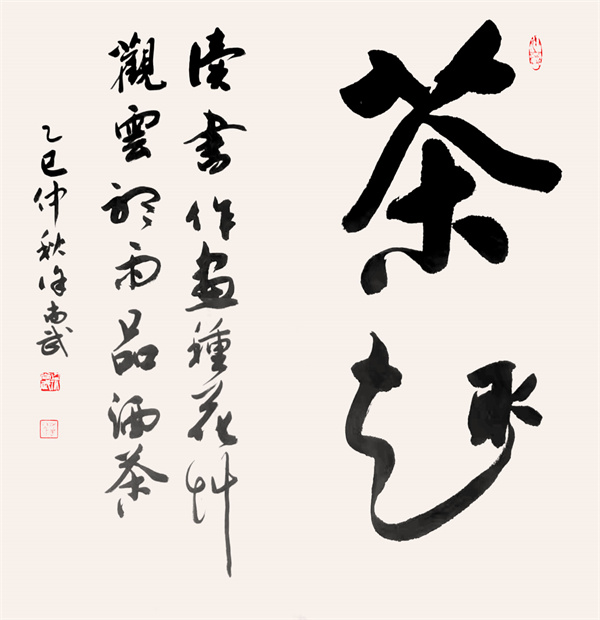
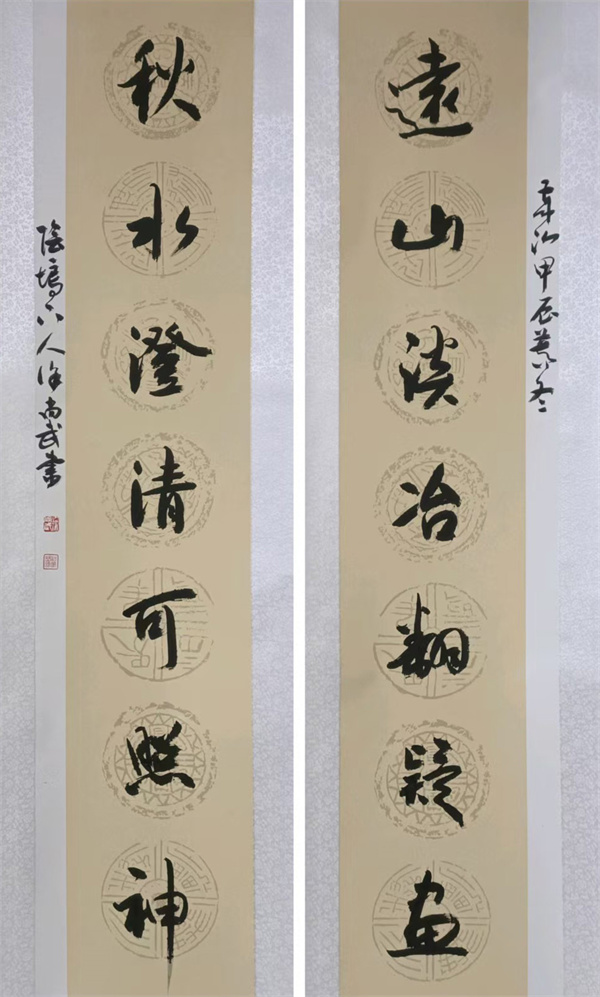
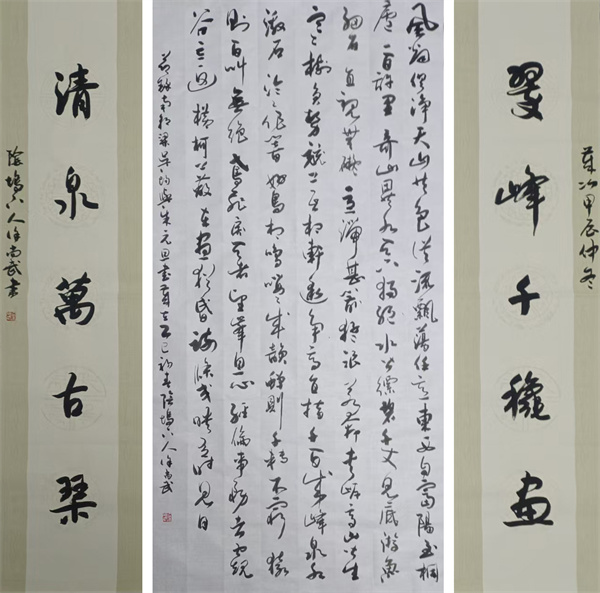
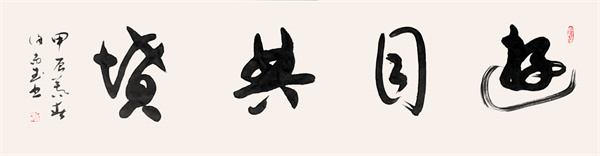
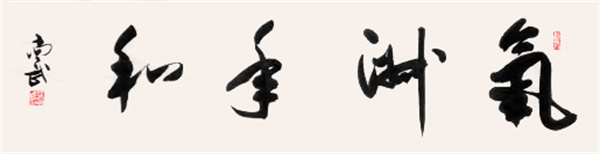
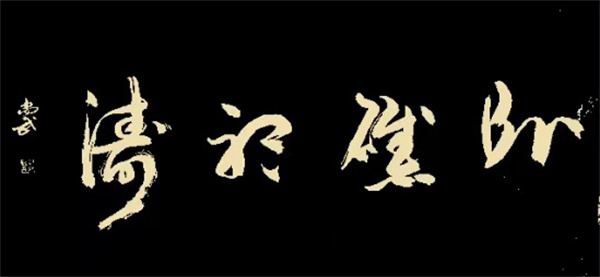
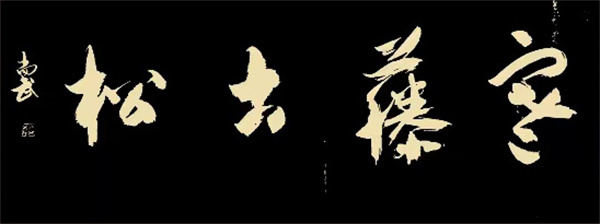
Xu Shangwu, the master of Hanteng Pavilion, was skilled in writing since childhood and enjoyed reading ancient books. He never stopped in his seventies. In his later years, he specialized in cursive writing and practiced writing every day, creating while drawing. Learn from the past without sticking to it, innovate and follow the law. Drawing on the calligraphic elements of ancient inscriptions and famous steles, we integrate them into the strokes of our writing, striving to create a sense of freedom and form with each stroke, expressing our individual emotions. Calligraphy works have won gold or first prizes more than 20 times in nationally renowned calligraphy and painting brand events. Calligraphy works have been included in the "A Century of Art - Contemporary Calligraphy and Painting History" published by China Calligraphy and Painting Press, the "Selected Chinese Ancient Poetry and Calligraphy Works" published by China Modern Literature and Art Press, and the "Contemporary Writers" magazine published by China Education Science Press. I am currently an academician of the Beijing Huaxia Lanting Calligraphy and Painting Academy, a contracted calligrapher for the Chinese Calligraphy and Painting Guide, a member of the Jiujiang Calligraphers and Painters Association, and a member of the Jinhua Retired Cadres Calligraphy and Painting Association.
The ink and brush drift freely, revealing the spirit of the soul
——Impressions of Xu Shangwu's Calligraphy Art
Huang Jinliang (Editor in Chief of Chinese Painting and Calligraphy Guide)
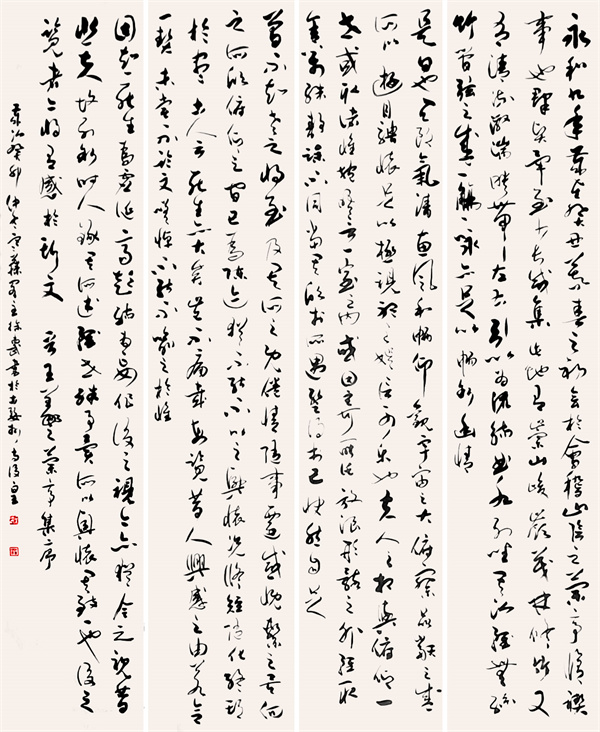
Xu Shangwu's calligraphy creations showcase his temperament through the lines of ink and brush, opening up a unique artistic path through deconstruction and reconstruction of traditional classics. His works touch on all aspects, especially in cursive style. He not only embodies the elegance and grace of the "Two Kings", but also blends the strength and toughness of the Northern Stele, endowing his brushwork with a new sense of life in the contemporary aesthetic context.
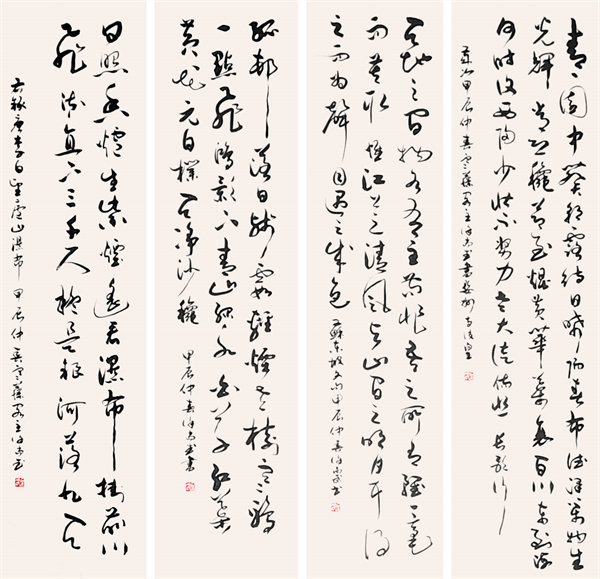
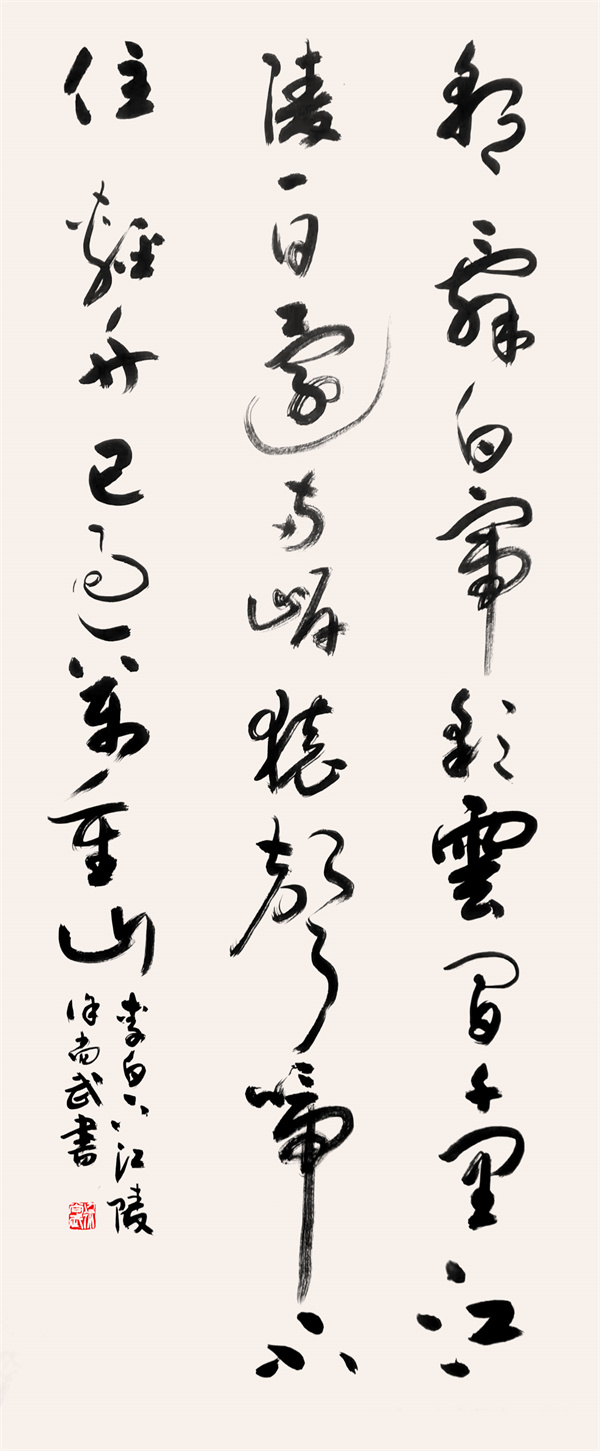
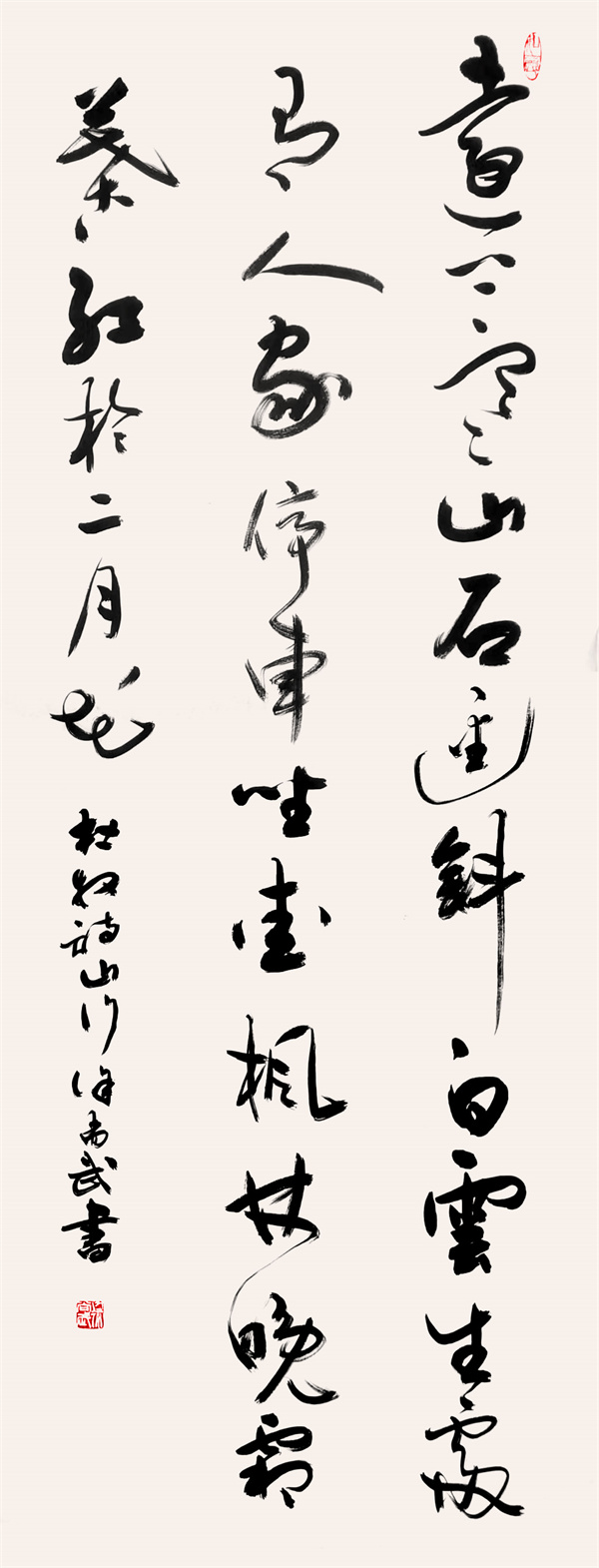
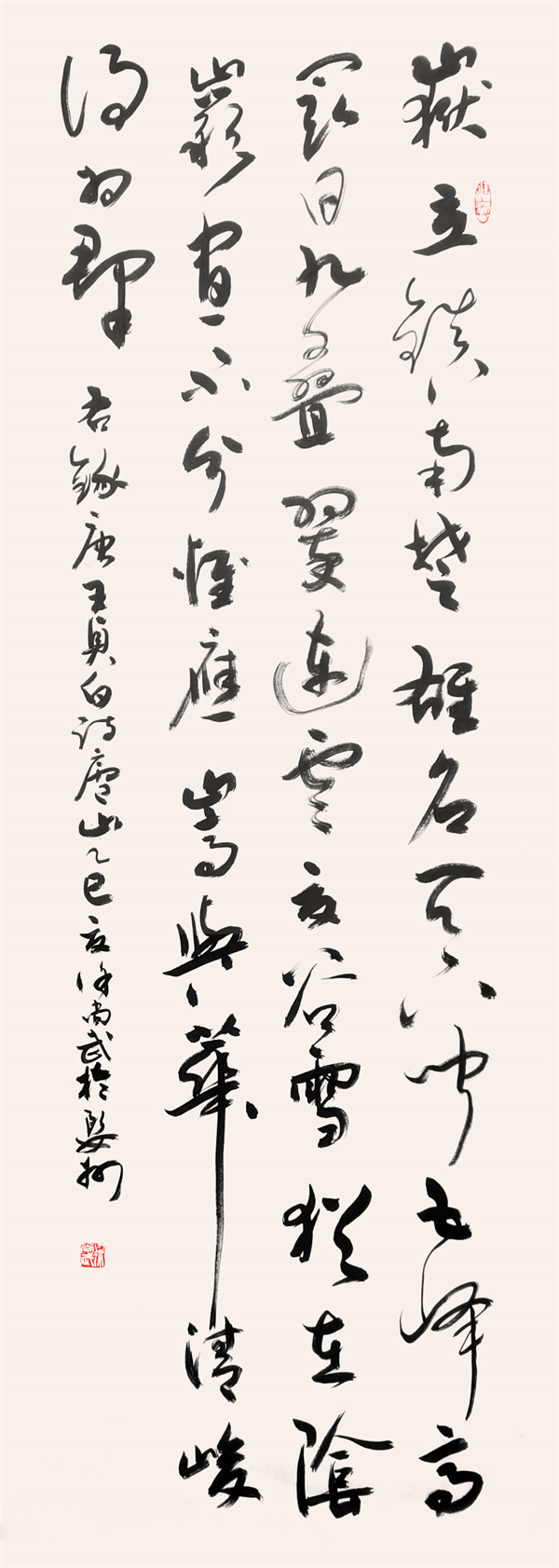
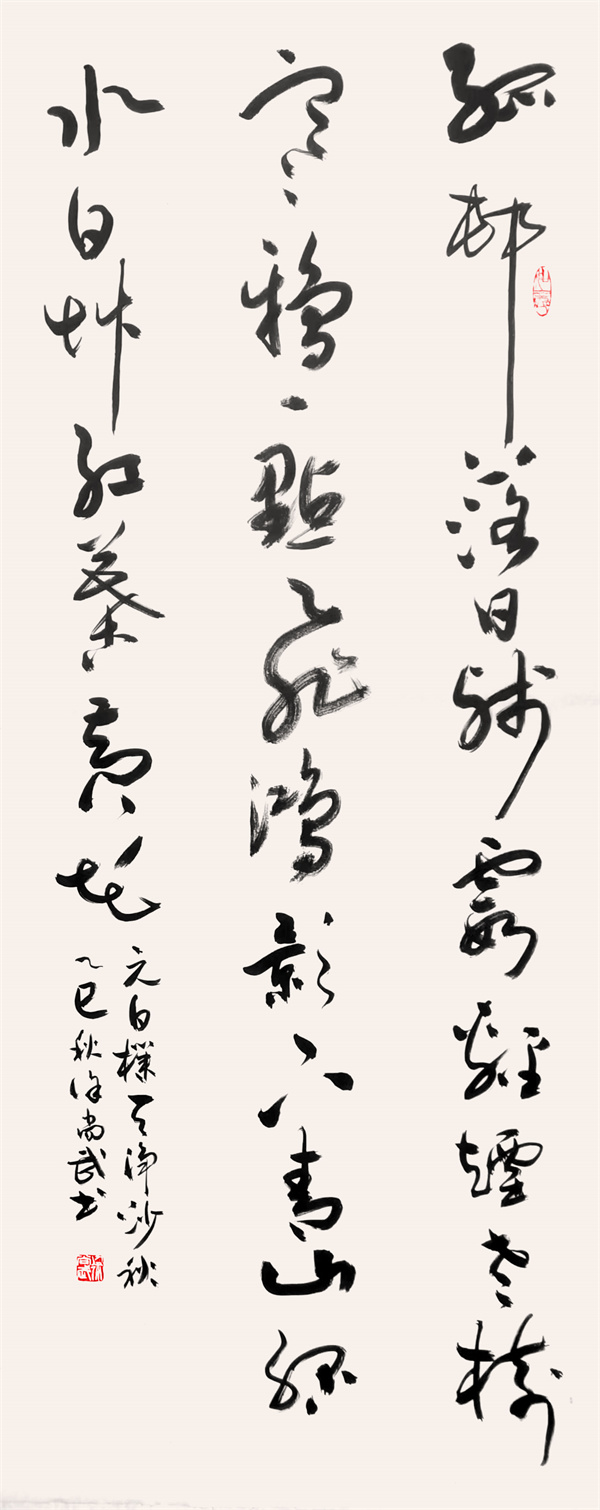
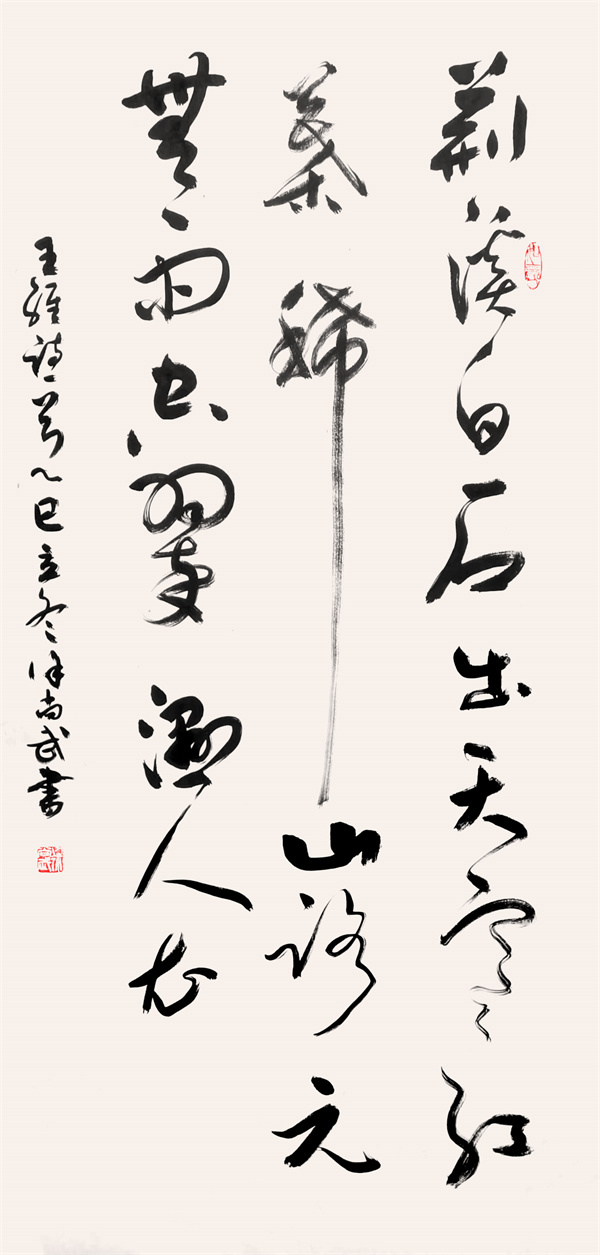
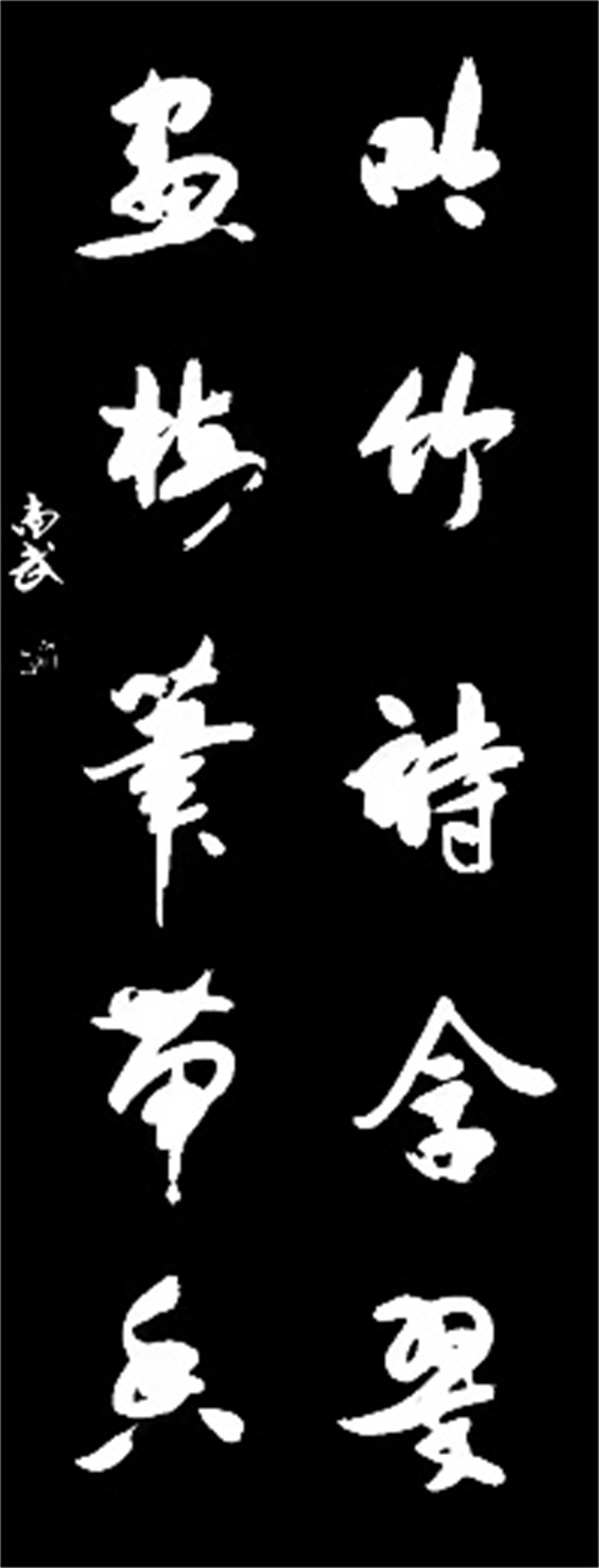
From the perspective of brushwork, Xu Shangwu deeply understands the principle that "using a pen is not easy for eternity". In his works, he uses both hidden and exposed strokes at the beginning, with a clear rhythm of ups and downs at each stroke. When he finishes or abruptly stops, he feels refreshed, or when he returns to the front, he reflects a smooth and vigorous movement. For example, in the "Grass Script Axis of Tang Poetry", the thickness and speed of the lines change, just like Sun Guoting's "Shupu" said, "In one painting, the ups and downs are at the end of the front; within one point, the extraordinary bleeding is at the edge of the hair", fully demonstrating the exquisite and subtle strokes. This precise grasp of the essence of brushwork is the foundation for its calligraphy to stand firm and convey spirit.
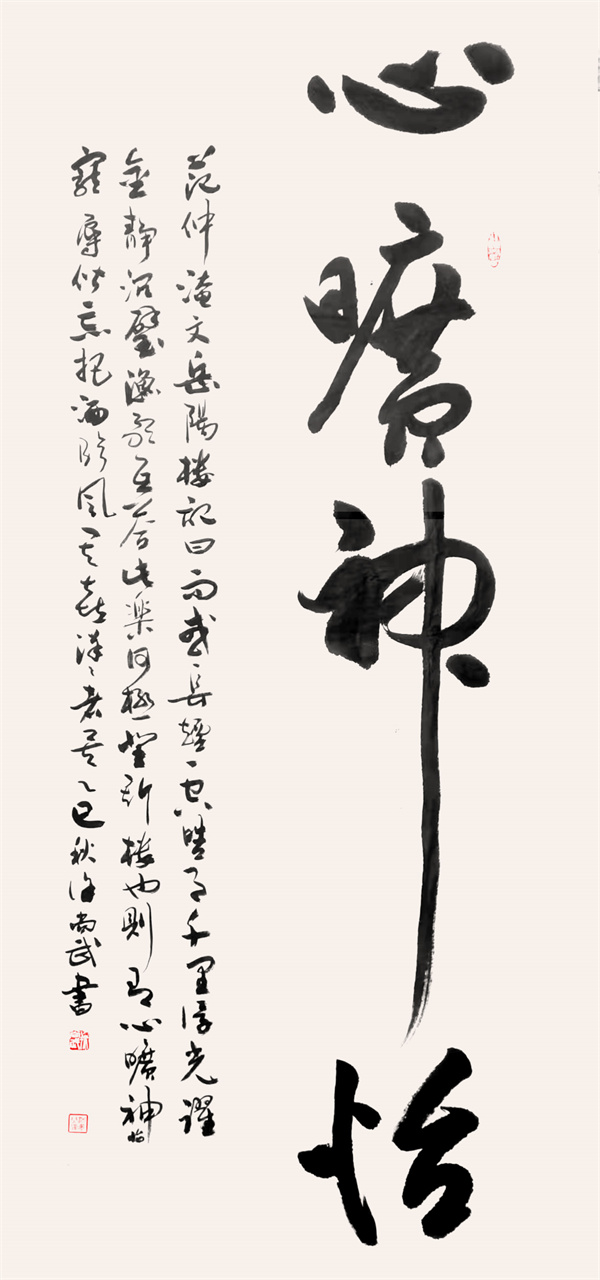
In terms of the construction of character and chapter, he excels in the skill of "managing position". The structure of a single character can be either positive or negative, or positive or negative, with a focus on balance and harmony between gathering and dispersing. For example, in the book "Delightful and Joyful", the character for "heart" opens, while the characters for "Kuang", "Shen", and "Yi" echo each other on the side of the character, creating a continuous flow of qi. The layout of the composition is grand and intricate, arranged in a staggered manner. In multiple strip screen works, the contrast of the density of character groups and the changes in ink color are in line with the principle of "one point becomes one character, and one character is the final criterion" (Wang Xizhi's "Essay on Pen Movement"), creating a visual tension and emotional rhythm that is either ethereal, melancholic, or dramatic.
The most touching aspect of Xu Shangwu's calligraphy lies in his expression of the character of "painting for the heart". His cursive works are full of strokes and vigorous momentum, such as the "Du Mu Shan cursive scroll". The brush and ink are imbued with poetic boldness, and the flying lines and jumping structures externalize the leisurely interest of "parking and sitting in love with the maple forest at night" into a visual symphony of brush and ink. This is a vivid interpretation of Cai Yong's creative state of "the calligrapher is scattered. If you want to write, first let go of your embrace, let your emotions run wild, and then write".
Xu Shangwu's calligraphy not only adheres to the traditional essence of brush and ink, but also activates classic elements from a modern aesthetic perspective, showcasing a strong personal artistic style through the comprehensive control of stroke, character, and composition.

Copyright Notice: Original content on this website is welcome to be reposted. Please indicate the source when reposting, Global Art Network www.caanets.com; Some of the content posted on this website comes from the internet. If there is any infringement, please contact this website to delete it.
Daily recommendations
- [Exhibition]Sketching Public Education ...
- [News]Russian Avant garde Art Exhibition
- [News]Stone Tiger's Last Ten Yea...
Weekly hot topics
- 1Tianyu Ballad showcases the ...
- 2Wu Shanming Chinese Brush In...
- 3Three calligraphers go to Pi...
- 4Kunyun Danqing · Yongkun Op...
- 5The Art Exhibition of 'Circu...