别永祥Bie Yongxiang
2025-11-18 16:22:13 Art weekly
Bie Yongxiang, male, born in June 1957 in Xi'an, Shaanxi, graduated from Northwestern Polytechnical University, is a member of the Communist Party of China and a retired cadre. Member of Chinese Calligraphers and Painters Association, Chinese Hard Pen Calligraphy Association, and China Education Television Ink Painting and Calligraphy Academy.
The strokes of the pen reveal one's character, and the dragon and snake reveal one's temperament
——Impressions of Bi Yongxiang's Calligraphy
Huang Jinliang (Editor in Chief of Chinese Painting and Calligraphy Guide)
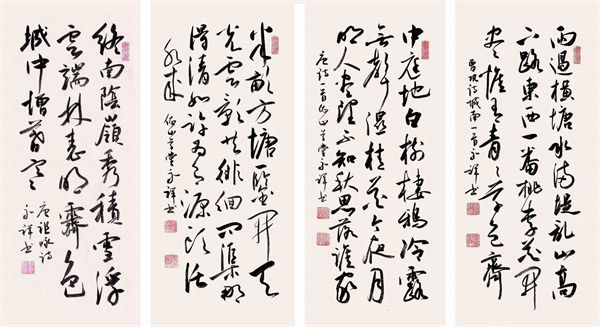
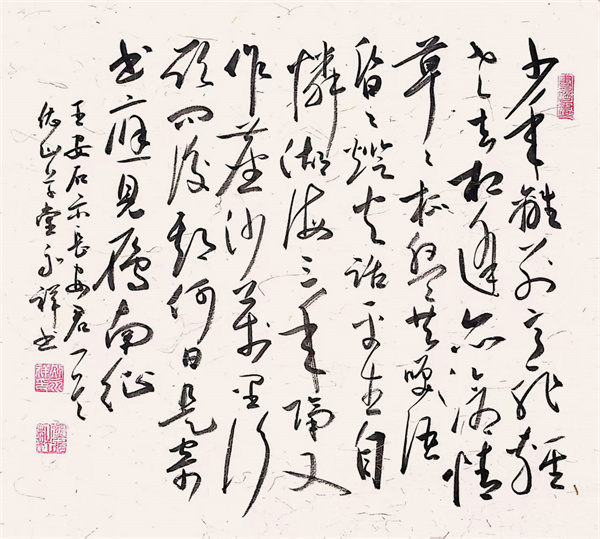
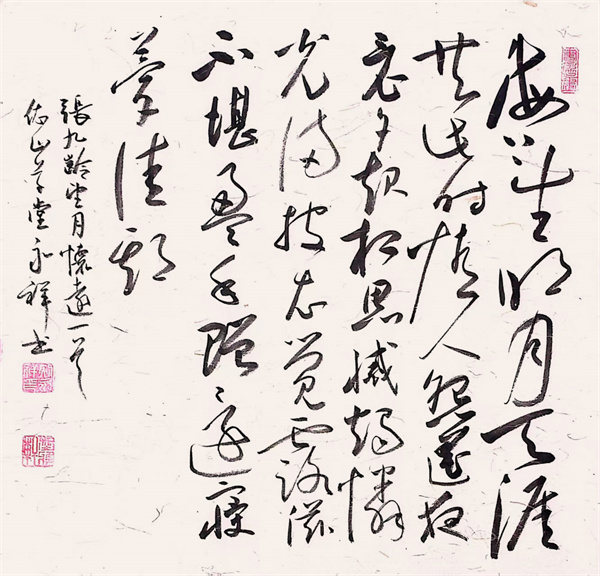
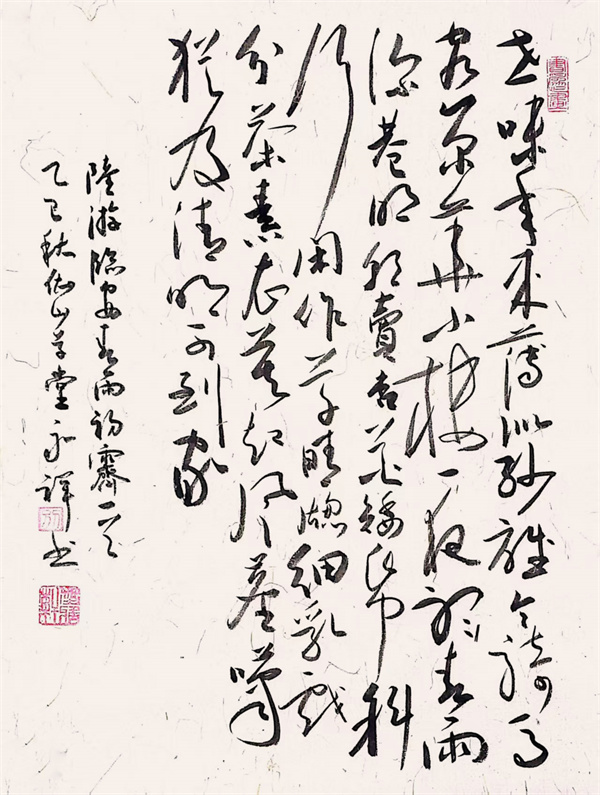
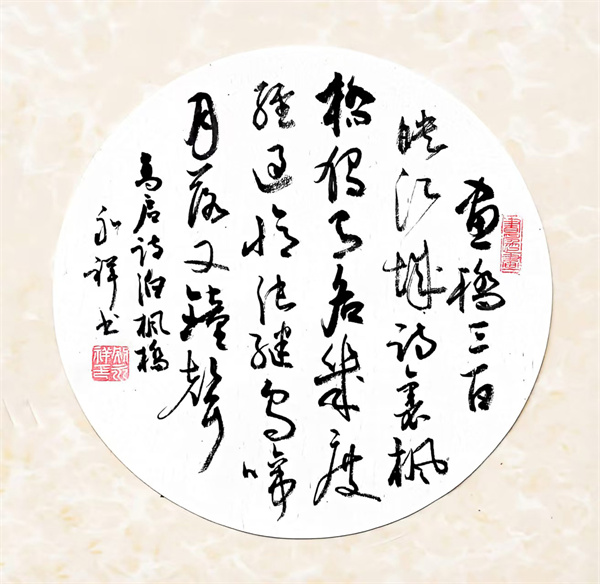
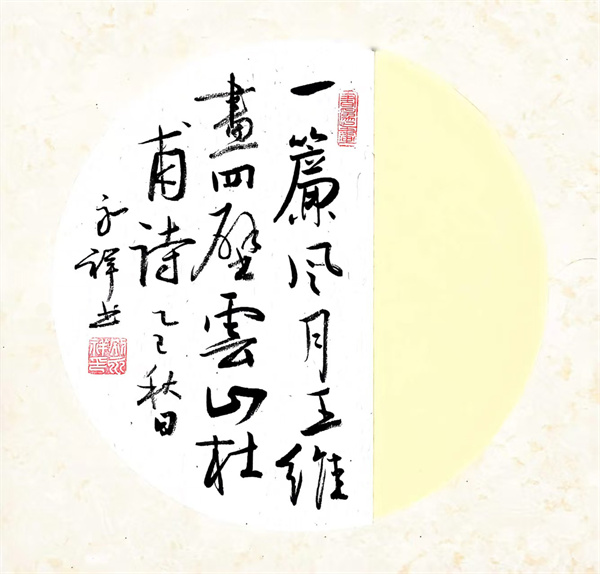
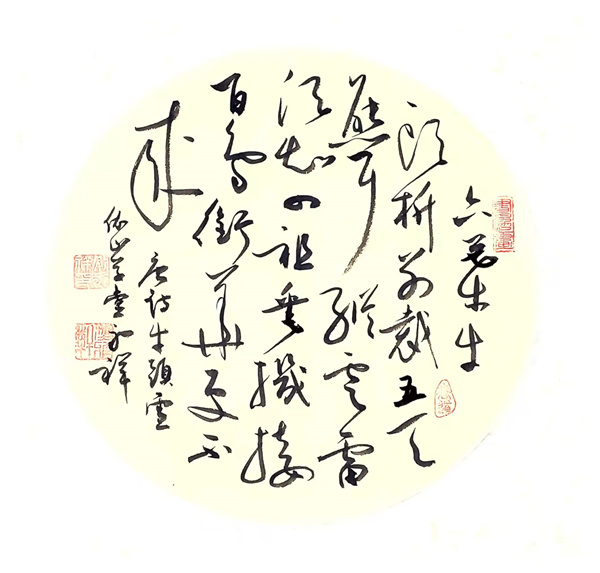
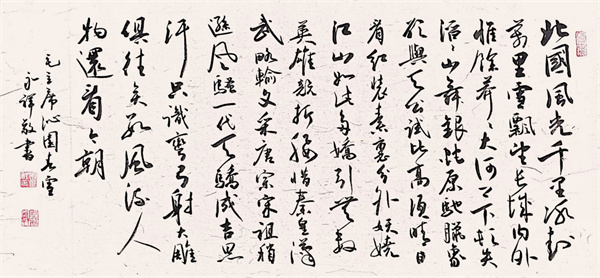
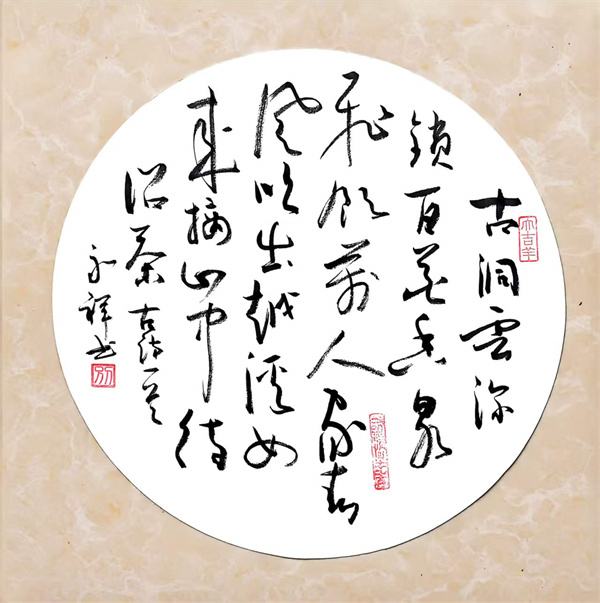
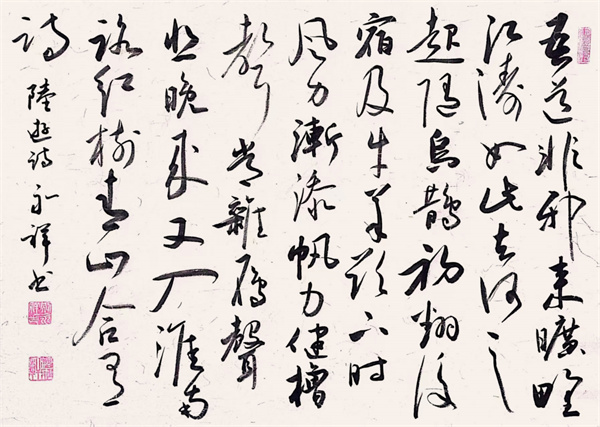
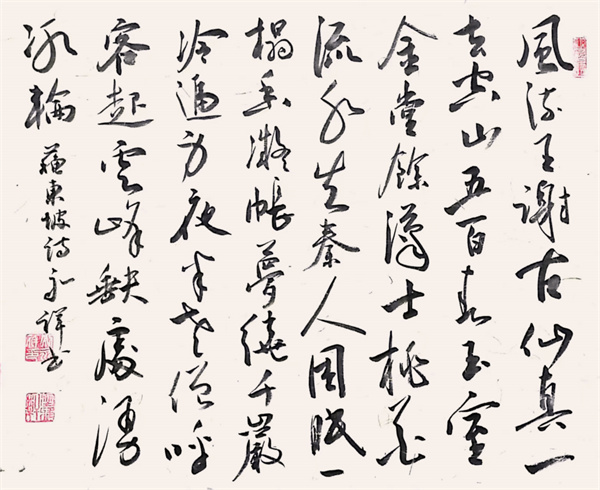
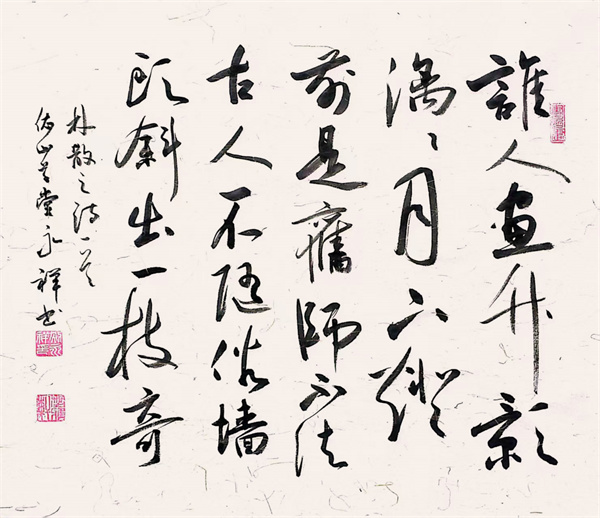
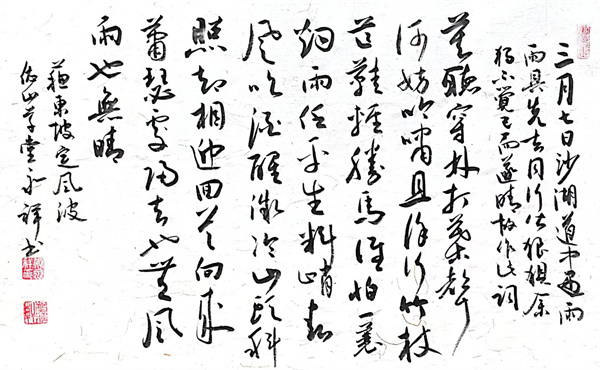
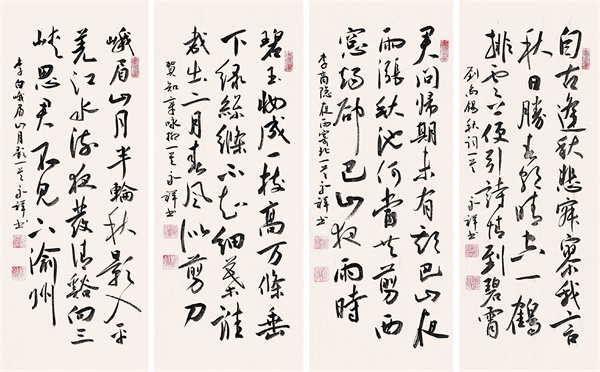
The calligraphy art of Bie Yongxiang, between the wildness of cursive script and the agility of running grass, fully demonstrates the contemporary calligraphers' continuation and innovation of classical cultural context. His cursive script technique is highly ancient and deeply captures the charm of Zhang Xu and Huai Su's "stirring up Zhang Zuisu". Looking at the lines in his pen, they are as vigorous and old as "house leak marks", and as powerful as "cone painting sand" that penetrates the back of the paper. When writing ancient Chinese poetry such as Li Bai and Lu You, the strokes are continuous and winding, and the shapes of the characters are varied, showcasing the poet's boldness and elegance through the intensity, dryness, and wetness of the brush and ink, as well as the fast-paced rhythm. As he wrote Lu You's "The Beginning of Spring Rain in Lin'an", there is both the delicacy of "listening to spring rain overnight in a small building" and the melancholy of "sighing in the wind and dust with plain clothes" in his brushwork. In the brushwork, he blends the poetic layers and emotional ups and downs into a single stroke, allowing viewers to see the poetic heart at the fluttering brushwork and feel the meaning of the words amidst the tangled lines.
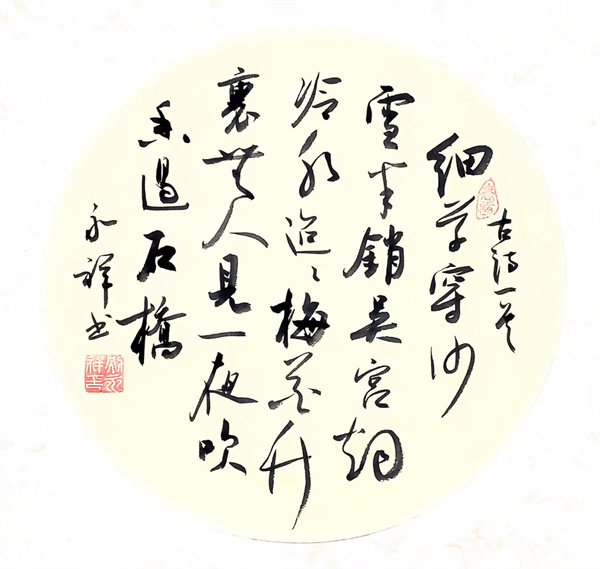
Cursive works add a touch of composure and elegance. When writing Mao Zedong's "Spring and Snow in Qinyuan", the brushwork is vigorous yet precise, with both the majestic atmosphere of "northern scenery, frozen for thousands of miles" and the passionate spirit of "counting the wind and flowing figures, looking at the present day". In the opening and closing of the structure and the density of the organization, it demonstrates the ability to master the writing style of the grand atmosphere. The interplay between dots and paintings reveals profound meaning, as if practicing Sun Guoting's calligraphy philosophy of "emotions move, shapes and words are expressed, capturing the essence of charm", making calligraphy a dual carrier of emotions and literature.
Bie Yongxiang's calligraphy has always been anchored to traditional foundations. In his works, the ancient technique of "center forward using a pen" runs through the entire process, ensuring the texture and strength of the lines; At the same time, it can seek innovation and change in structure and organization, without being bound by conventions. This reverence for tradition and expression of individuality perfectly aligns with Wang Xizhi's viewpoint that "a calligrapher is a master of mysterious techniques, and without being a knowledgeable person, one would not be able to learn them." Only by deeply studying tradition and mastering the arts and sciences can one find their own path in the world of calligraphy.
He used his pen as a sword, dancing his own ink charm and splendor at the intersection of classical and modern. His calligraphy is a manifestation of his temperament, a manifestation of his academic upbringing, and a persistent commitment to the spirit of Chinese calligraphy art. In the contemporary calligraphy world, it has its own unique value and charm.


Copyright Notice: Original content on this website is welcome to be reposted. Please indicate the source when reposting, Global Art Network www.caanets.com; Some of the content posted on this website comes from the internet. If there is any infringement, please contact this website to delete it.
Daily recommendations
- [Exhibition]Sketching Public Education ...
- [News]Russian Avant garde Art Exhibition
- [News]Stone Tiger's Last Ten Yea...
Weekly hot topics
- 1Tianyu Ballad showcases the ...
- 2Wu Shanming Chinese Brush In...
- 3Three calligraphers go to Pi...
- 4Kunyun Danqing · Yongkun Op...
- 5The Art Exhibition of 'Circu...