李大年Li Danian
2025-11-08 12:00:16
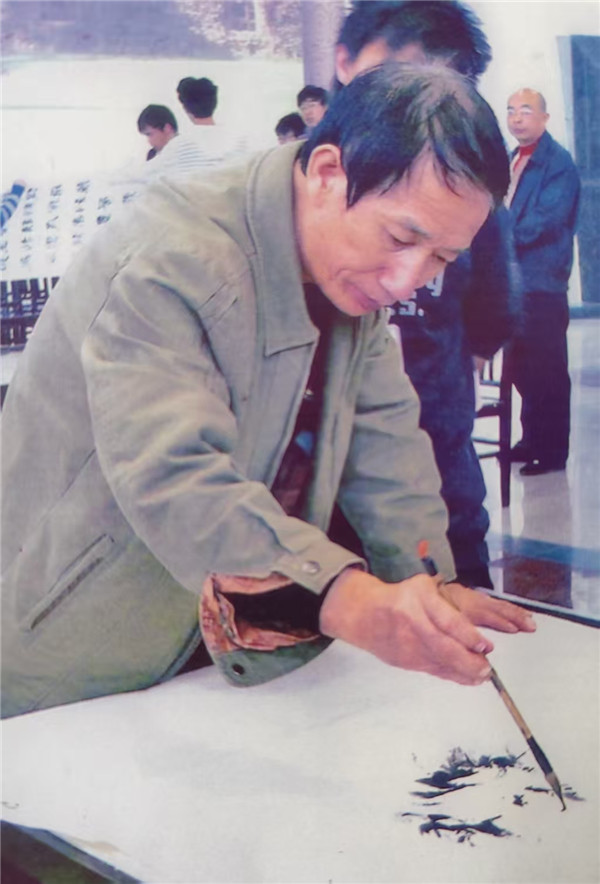
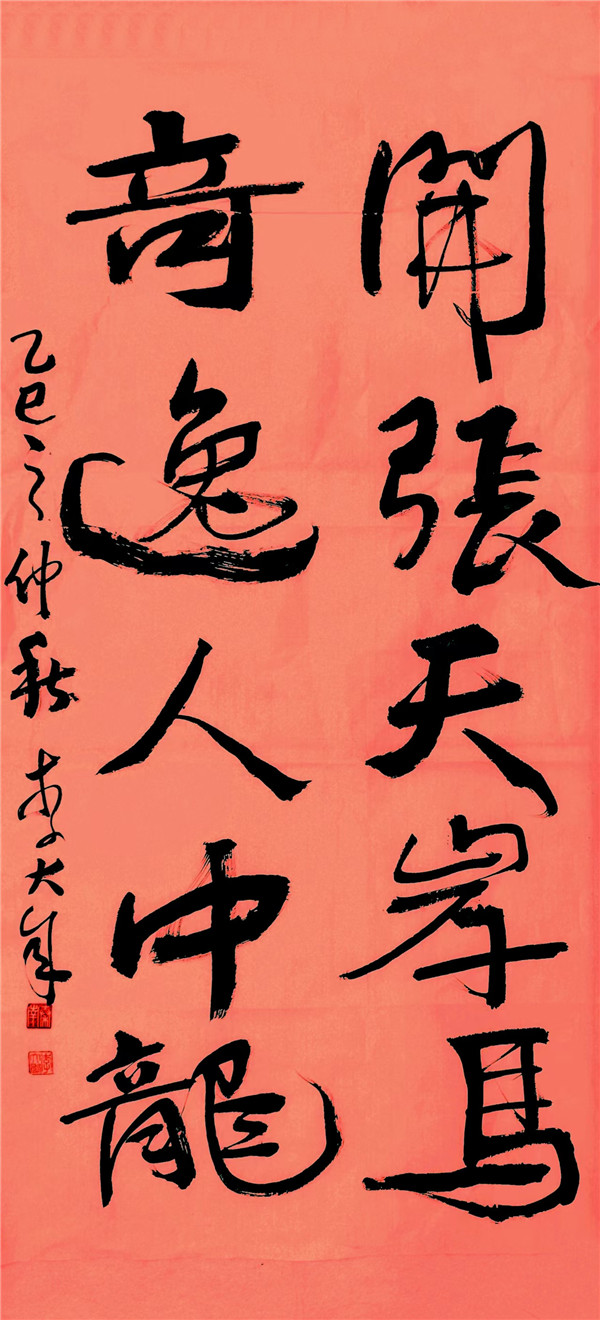
Li Danian, born in the 1950s in Hanzhong, Shaanxi, came from a scholarly family and a teacher's family. Graduated from the Chinese Department of Sichuan Normal University. I have served as a high school teacher for 15 years and a specially appointed professor at Sichuan University of Culture and Arts for 14 years. He is a powerful painter from Sichuan. I admire Fan Zeng as my teacher. Diligent in learning, researching, and practicing, focusing on accumulation, and not wasting one's reputation. Graphic design has won the Excellent Award from the Ministry of Economy and Trade. In the autumn of 2008, I was invited to participate in the 11th Japan China Calligraphy and Painting Art Exhibition in Tokyo, Japan, and sold several paintings. In the winter of 2008, Mianyang Television in Sichuan Province filmed and broadcasted a special film titled "Li Da's New Year Painting of Zhong Kui". In 2012, he was invited to create a panoramic picture of the reconstruction of Gaochuan Township, a severely affected town in Sichuan Province, called "Gaochuan Charm" after the earthquake for four years. It is known as the modern Qingming Riverside Scene. In 2013, the painting 'Zhong Kui Divine Might' won the Gold Award for Painting and Calligraphy Creation for Middle aged and Elderly People at the 2nd National Awards. In 2012, I was invited to create one set of comic strips titled "The Story of Su Yijian" for the hometown of top scorers in Mianyang. In 2014 and 2019, the China Modern Literature and Art Publishing House published the "Li Danian New Year Painting Zhong Kui" and "Li Danian Calligraphy Works Collection" respectively.
Brush and ink inherit ancient meanings and create new ones
——Contemporary Dialogue between Li Danian's Diversified Painting Art and Traditional Painting Theory
Huang Jinliang (Editor in Chief of Chinese Painting and Calligraphy Guide)
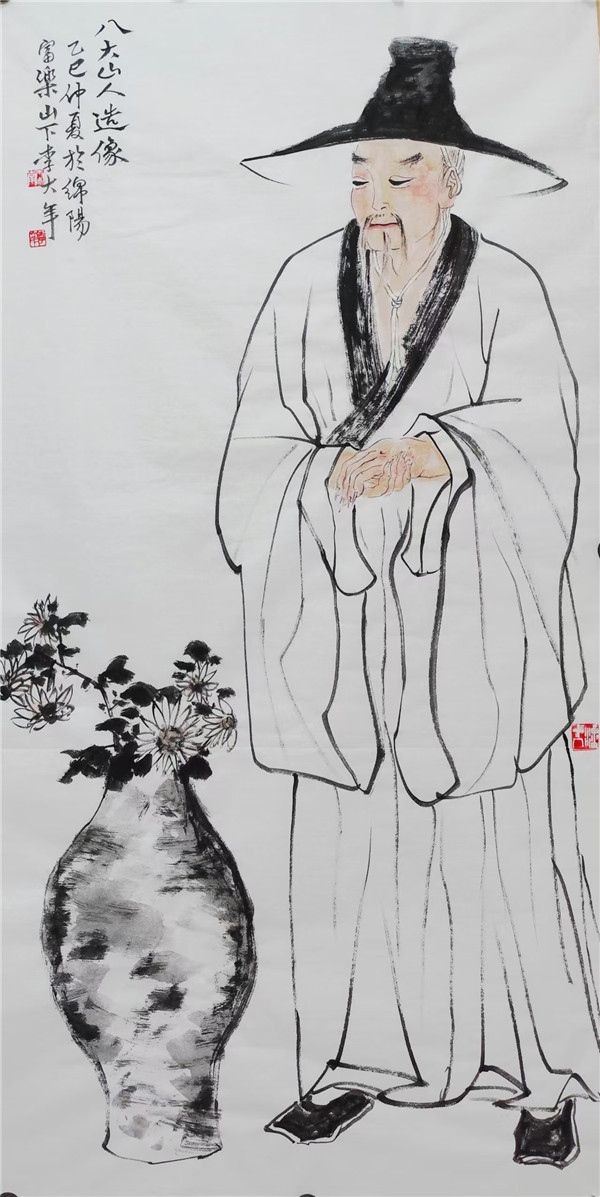
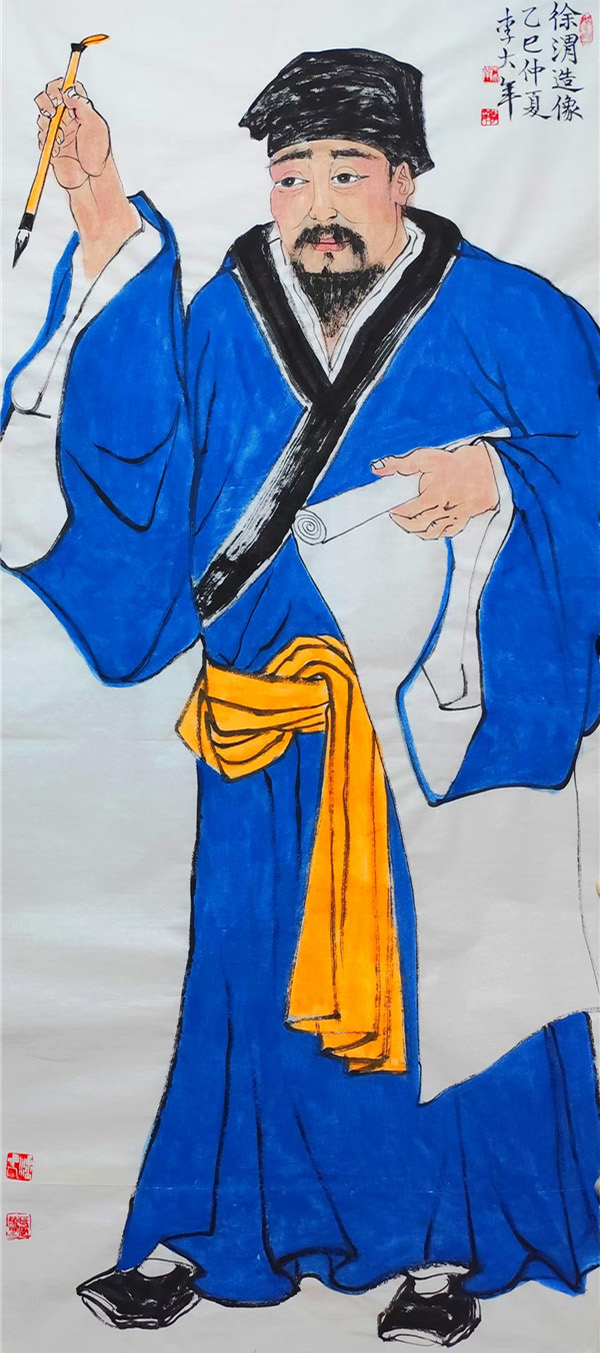
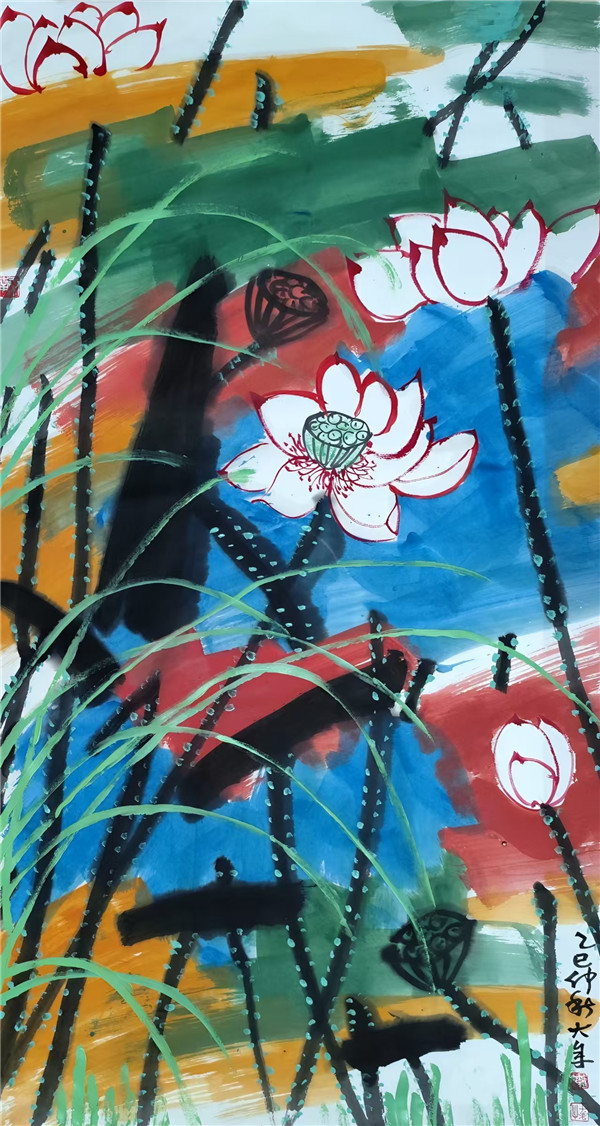
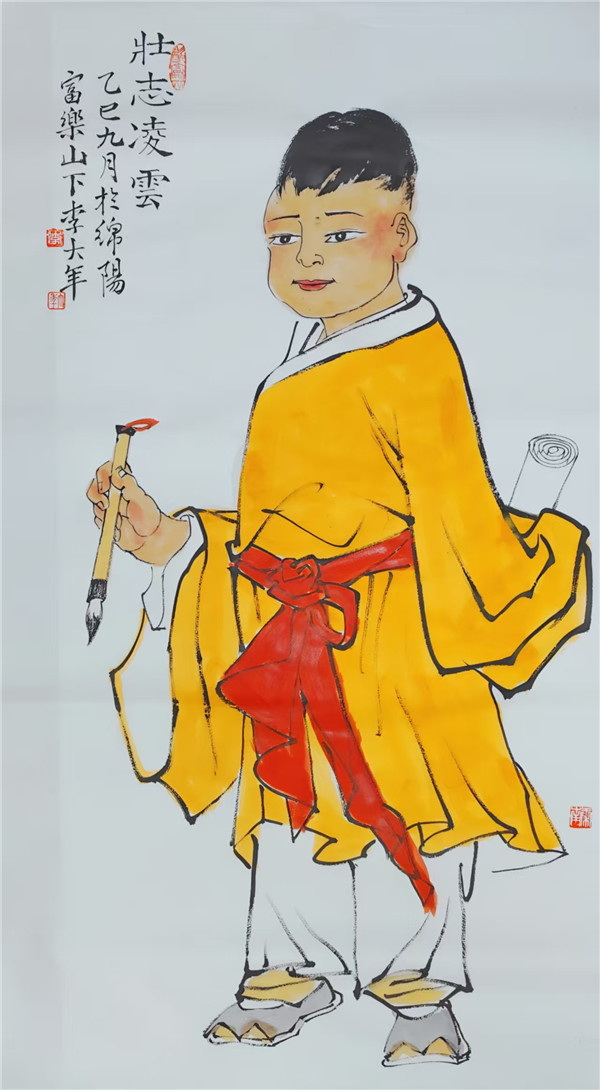
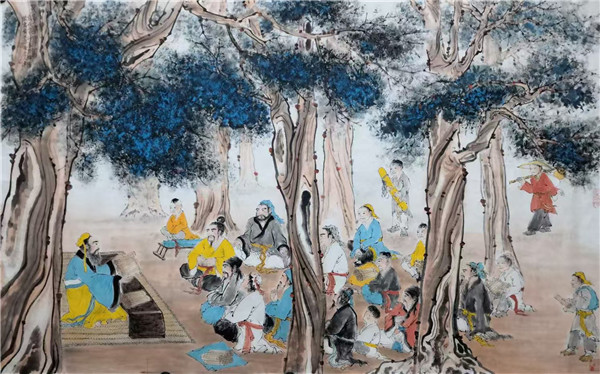
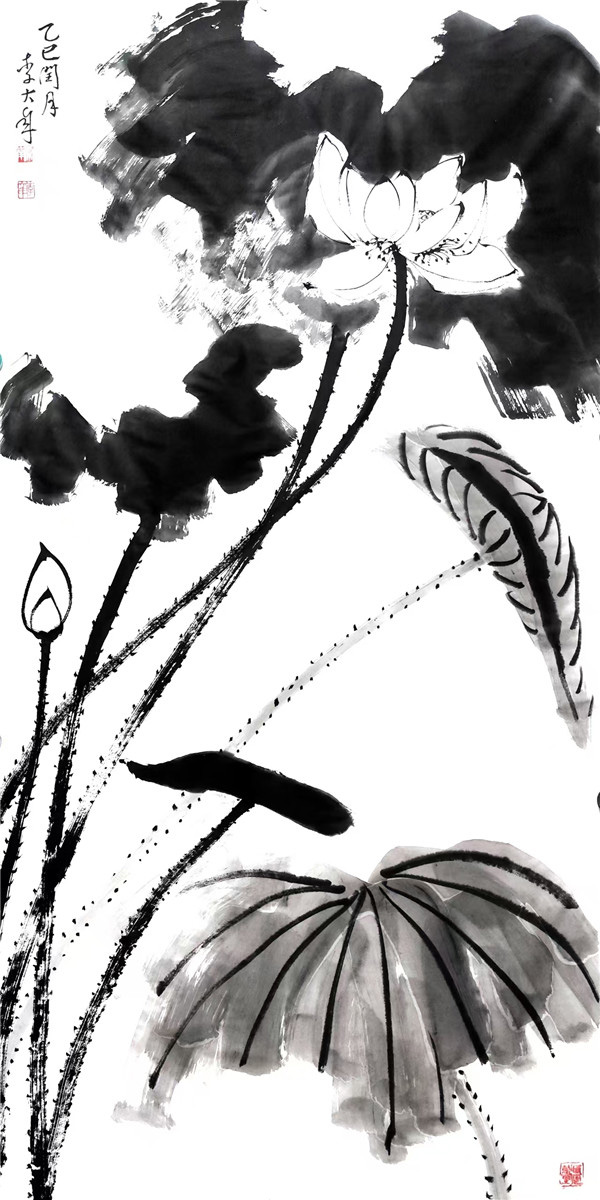
Painter Li Danian's artistic creations span across three major fields: figures, landscapes, and flowers and birds. He deeply cultivates the traditional Chinese painting brush and ink system, while also innovating with a distinct personal style. His works are a dialogue with ancient painting theory that transcends time and space, revealing "innovation" in "inheriting the past" and "upholding the right".
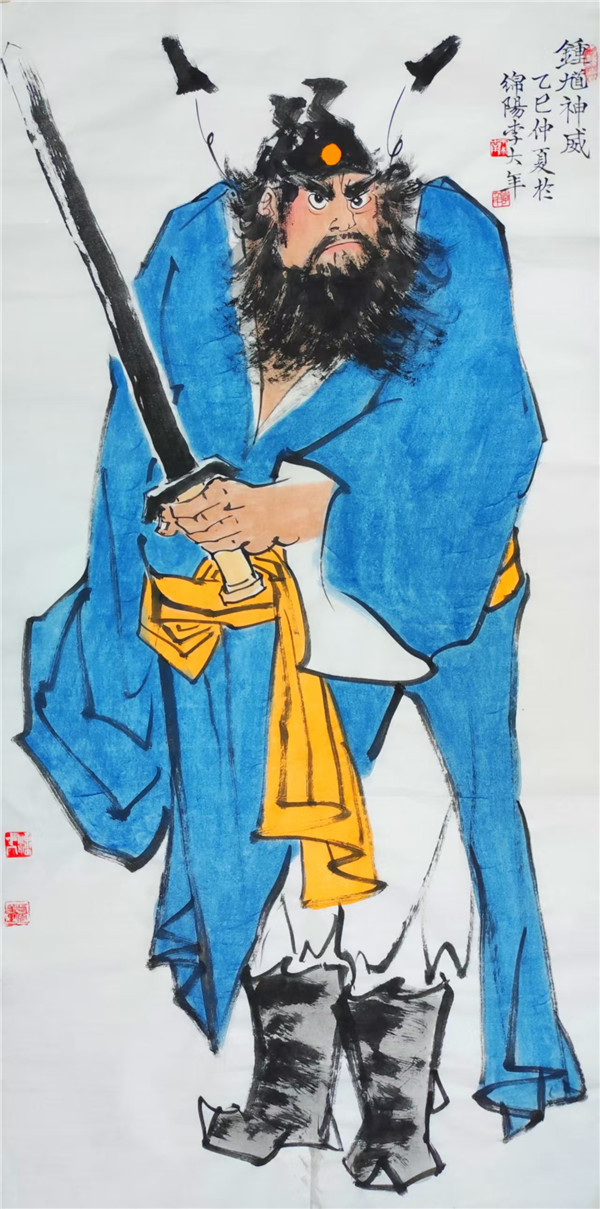
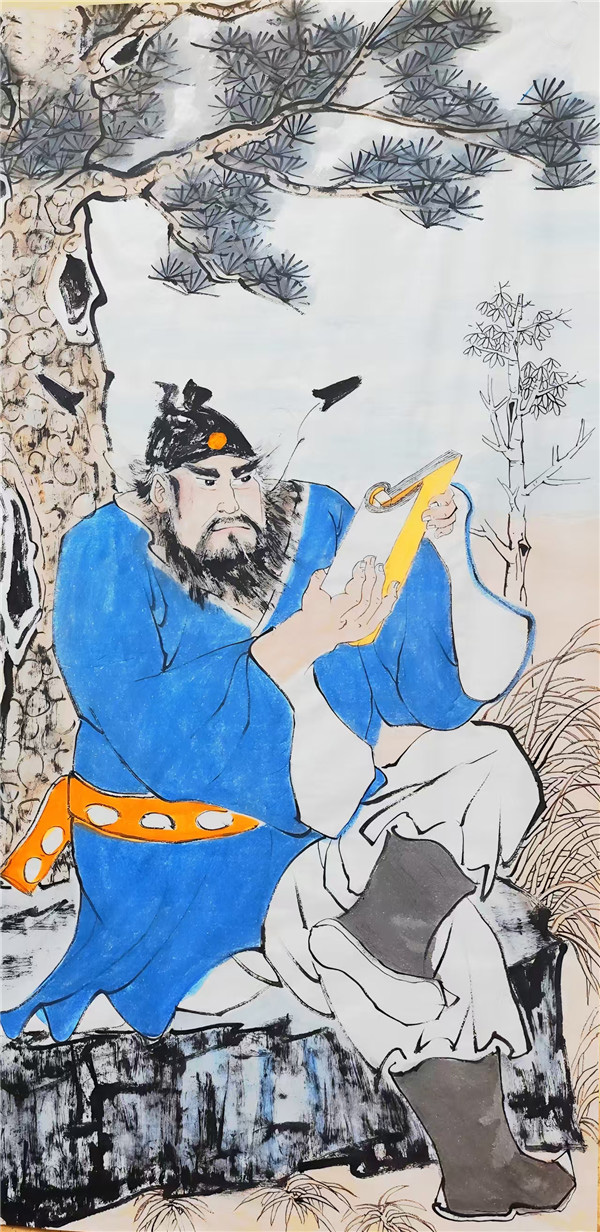
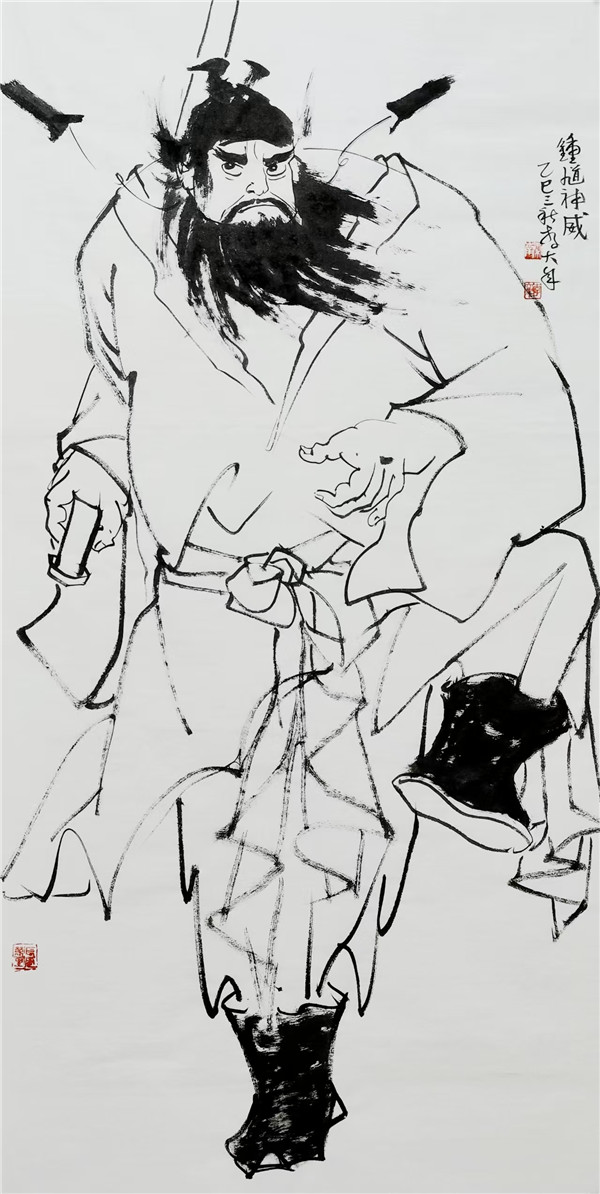
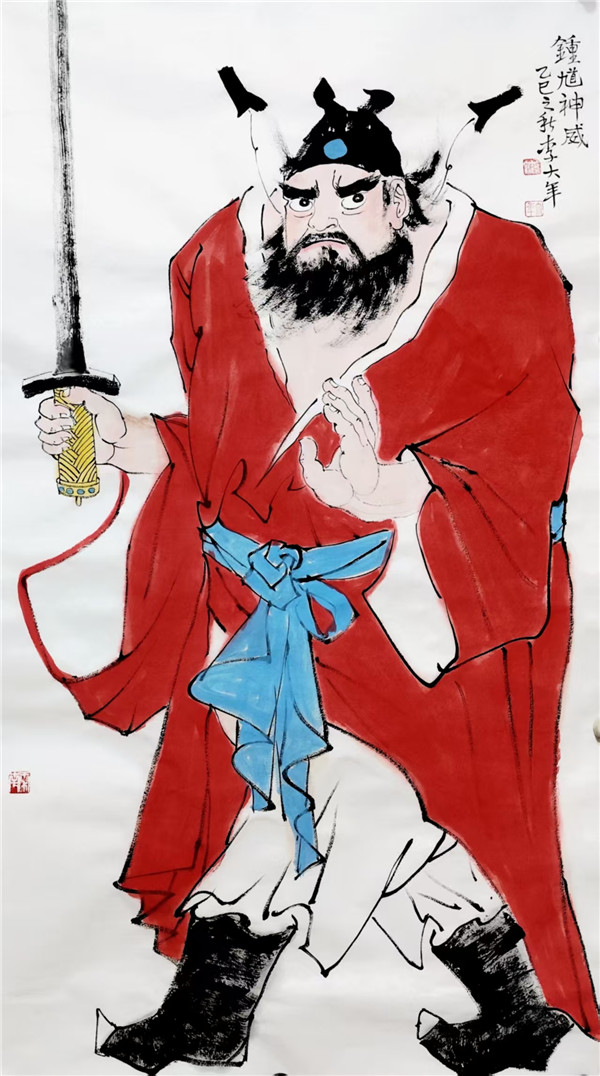
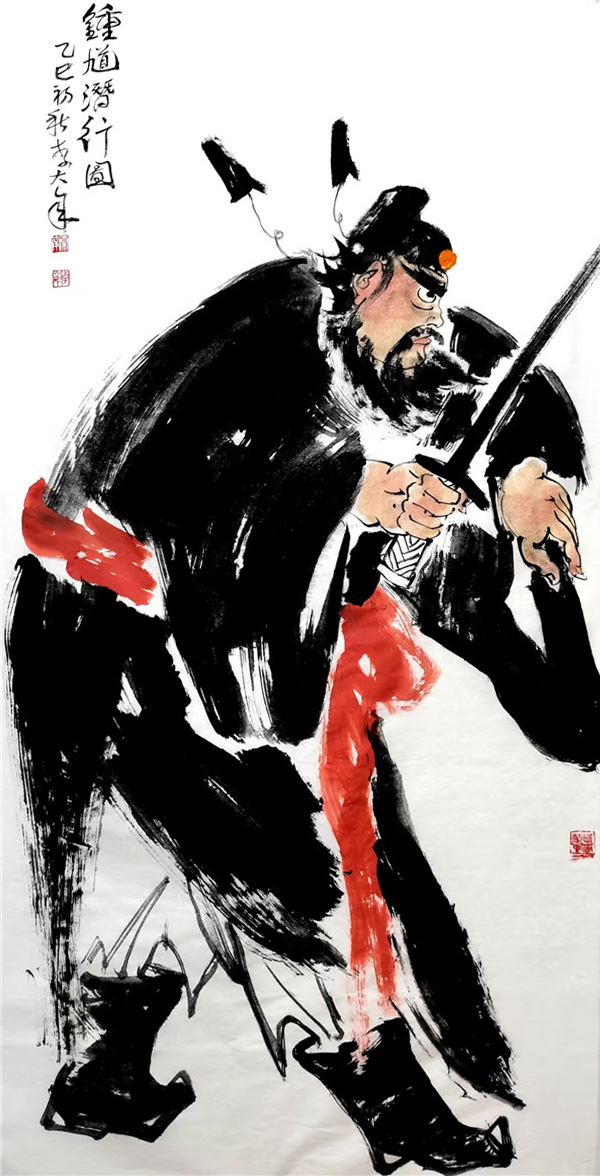
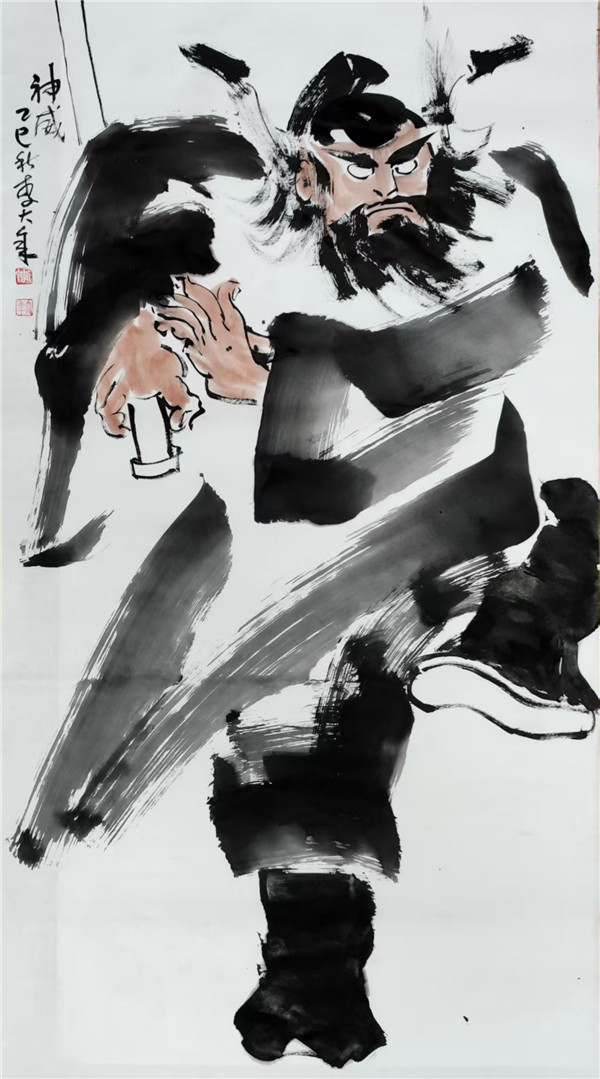
Li Danian's figure paintings are particularly representative of the Zhong Kui series. Observing works such as' The Divine Might of Zhong Kui ', one can see that their brushwork is as strong and powerful as a knife, with vigorous and powerful lines, deeply embodying the essence of the' Bone Style Pen 'in Sheikh's' Six Methods'. Zhong Kui's twisted beard and clothing folds are dyed with dark, dry, and wet ink colors, which not only have the bone strength of calligraphy lines, but also the rhyme of ink blending, depicting Zhong Kui's majesty and upright state to the point of wood.
Traditional figure painting emphasizes the use of form to depict the spirit. In Li Danian's works, Zhong Kui has an exaggerated appearance but a realistic expression. The sharp gaze and tense posture convey the spiritual core of "exorcising evil and suppressing evil", which is a vivid embodiment of "lively charm". He is not a simple replica of the traditional figure painting paradigm, but on the basis of inheriting the aesthetic ideal of "combining form and spirit", he reshapes the classic image with modern brush and ink language, giving new vitality to the ancient theme of Zhong Kui in contemporary times. As Jing Hao's "Record of Brushwork" states, "Qi is the essence of the mind, and the mind is free from confusion when taking images.
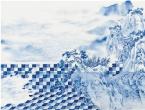
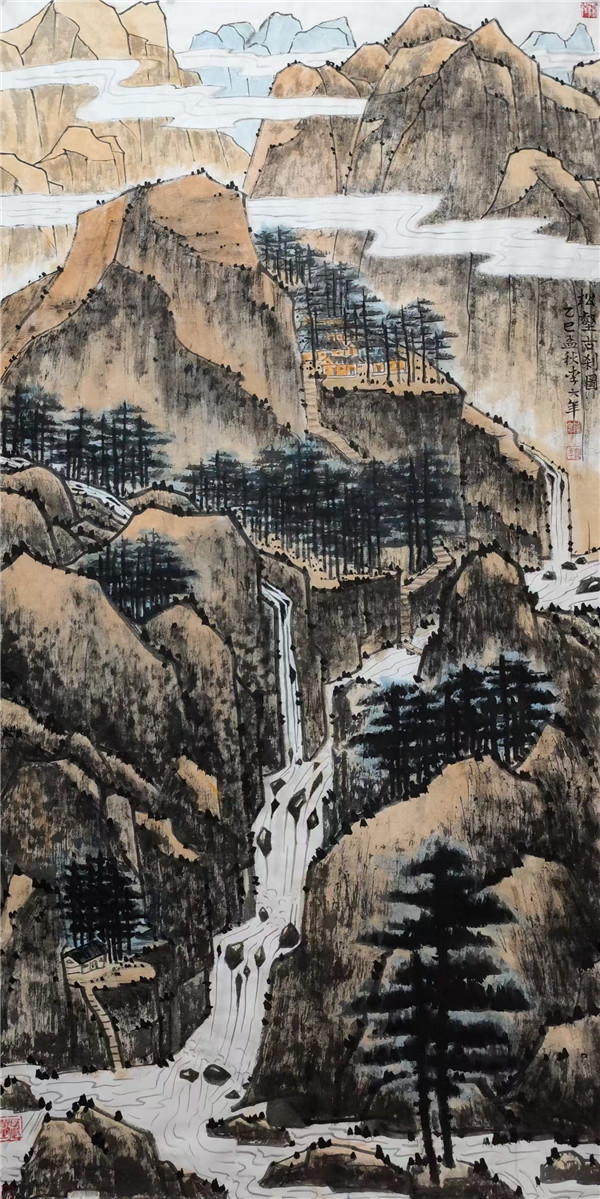
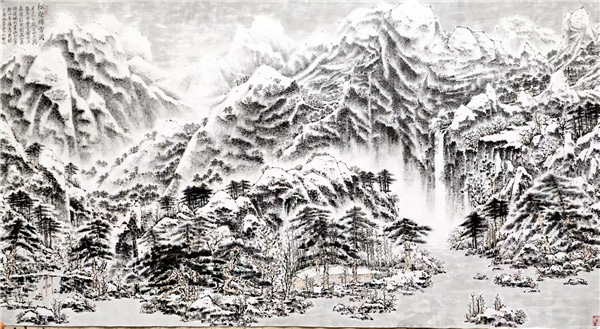
Li Danian's landscape paintings present a diverse landscape, with traditional landscape paintings pursuing a state of "expectation, feasibility, playability, and livability". Li Danian's landscape paintings precisely achieve this pursuit through the integration of "scenery" and "pen". He is well versed in the principles of Jing Hao's "Six Essentials", which state that "the scenery is the cause of the system, and the essence is sought after." He carefully constructs mountain and forest buildings, paths, and springs, making the viewers feel as if they are in the midst of it; By using flexible brushwork to control different styles, such as meticulous brushwork and ink painting, the collision of "pen" and "ink" creates a deep artistic conception of traditional landscape and contemporary aesthetic visual impact, which is in line with Dong Qichang's promotion of the interest in brushwork in his "Southern and Northern Sect Theory". The balance between tradition and modernity is found between rigidity, softness, intensity, and virtuality.
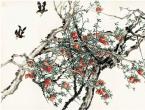
Li Danian takes ancient painting theory as his nourishment, and in his diverse exploration of characters, landscapes, flowers, and birds, he not only maintains the traditional foundation of Chinese painting's "charm," "structure," and "position," but also expands the boundaries of tradition with personalized brushwork language and contemporary aesthetic expression. His creations are like a dialogue with artists of all ages such as Sheikh, Jing Hao, and Shi Tao, opening up new possibilities in inheriting the past and providing valuable practical examples for the inheritance and innovation of contemporary Chinese painting. Only by deeply cultivating the fertile soil of tradition can we walk calmly and firmly on the path of innovation, and only then can ancient brush and ink radiate eternal artistic vitality in the new era.

Copyright Notice: Original content on this website is welcome to be reposted. Please indicate the source when reposting, Global Art Network www.caanets.com; Some of the content posted on this website comes from the internet. If there is any infringement, please contact this website to delete it.
Daily recommendations
- [Exhibition]Sketching Public Education ...
- [News]Russian Avant garde Art Exhibition
- [News]Stone Tiger's Last Ten Yea...
Weekly hot topics
- 1Tianyu Ballad showcases the ...
- 2Wu Shanming Chinese Brush In...
- 3Three calligraphers go to Pi...
- 4Kunyun Danqing · Yongkun Op...
- 5The Art Exhibition of 'Circu...