董果银Dong Guoyin
2025-11-07 10:45:29 Art weekly
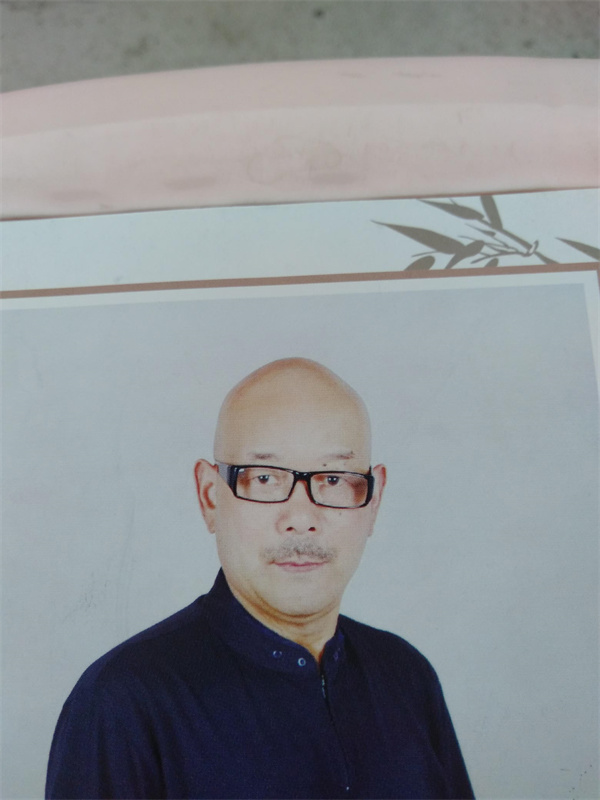
Dong Guoyin, originally named Baoyin, also known as Guoyin, pen name Lu Yin. His courtesy name is Si Chong and his courtesy name is Yi Wu. He is also known as Shi Li Beast and Mao Cone Hero. Born in January 1954, from Linying, Henan. Bachelor's degree in Chinese, teacher of aesthetics at Luohe University, vice president of China Famous Artists Painting Academy, responsible editor of "Central Plains Calligraphy and Painting". Ambitious and ambitious, not worldly minded. Often standing outside the secular domino effect chain and observing the world with a cold eye. People abandon me, people take me, I abandon. I am proud of fame and fortune, indifferent to self preservation, and enjoy poverty. He often interacts with German philosopher Nietzsche and Chinese Taoist saint Zhuangzi. 'Riding on objects for leisure' promotes imagination. Away from the world of fame and fortune, wandering alone in the literary forest of Wenshan, influenced deeply by the young scholar Geng Zhanchun in the 1980s, he devoted himself to the interdisciplinary research of Western studies, life poetics, and Chinese calligraphy for a long time. In addition to theory, he also dabbles in calligraphy and particularly enjoys clerical script. Calligraphy papers have been selected, included, and awarded successively. Long articles and short essays have been published in newspapers such as Oriental Art and Calligraphy Guide. The book won the first prize of "Jia Gu Feng" and the gold medal of "Wang Duo Cup", and won the silver medal in the 26th Sino Japanese Painting and Calligraphy Competition. Key works have been exhibited successively in Thailand, Japan, Canada, the Philippines, and South Korea. Stay away from the current trend, shame is the same as others. Goal set: Do not change the original intention, try and error, and form the structure. Striving for innovation and experimentation. Firmly as iron, nine oxen are difficult to restrain. Writing 'Three Body Problem' is unique and thought-provoking. Different from the past and present, scratches from grinding pestles. Pioneering and exploring, art leads to deep emotions. Aid pen "Yi Wu", leaving traces of Ayin.
Dong Guoyin: A pioneering creator of clerical script between tradition and innovation
Huang Jinliang
(Editor in Chief of Chinese Painting and Calligraphy Guide)
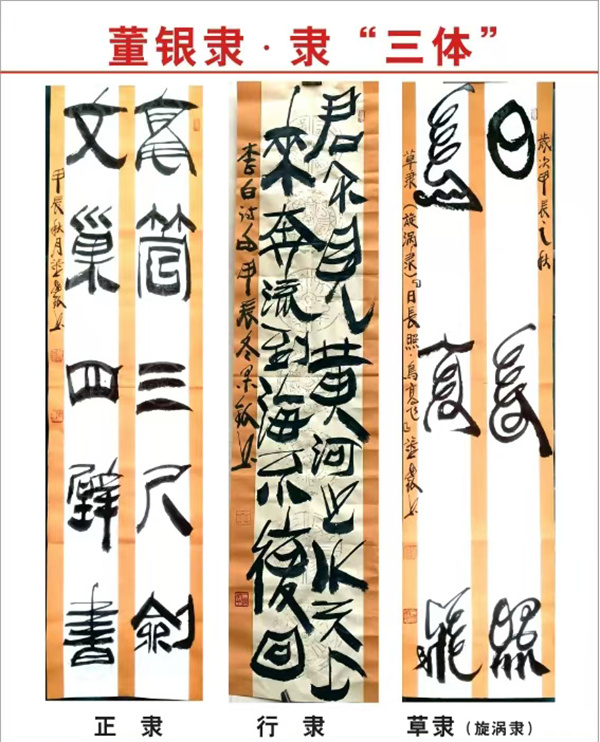
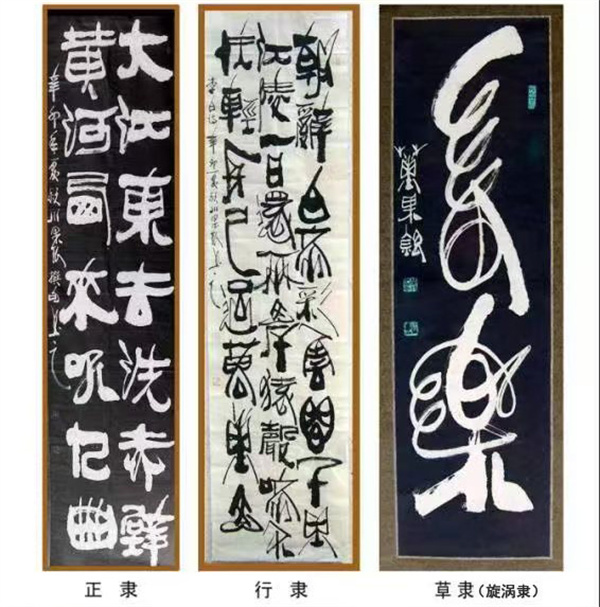
The beauty of Chinese calligraphy lies in the dialectical unity of "ancient law" and "modern transformation". Cai Yong of the Eastern Han Dynasty wrote in his "Nine Directions" that "calligraphy originates from nature, and once nature is established, yin and yang arise; once yin and yang arise, the form emerges", emphasizing the artistic law that calligraphy originates from nature and is formed by the form of yin and yang. Contemporary calligrapher Dong Guoyin has carved out his own pioneering path in the millennium long history of clerical script art through his unique exploration of the "three body system of clerical script writing" - Zhengli, Xingli, and Caoli (Whirlpool Script). His writing style of clerical script is a reverence for tradition and a fearless pursuit of innovation, with remarkable artistic value in form, spirit, and meaning.
Zhengli: Adhere to the principles of integrity and build the foundation of clerical script
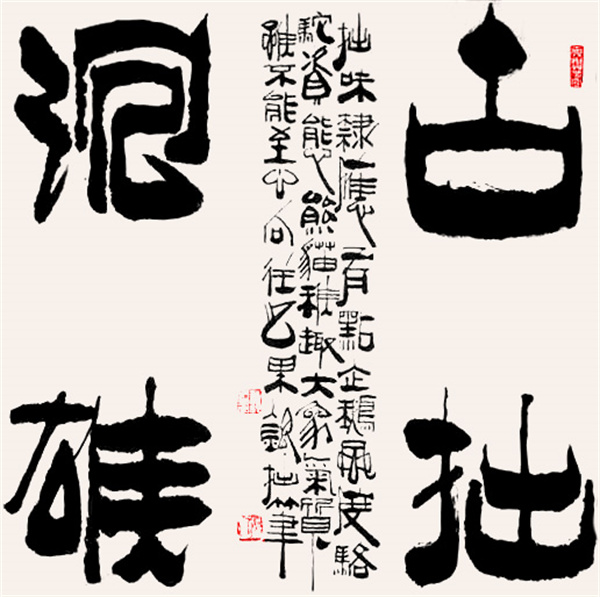
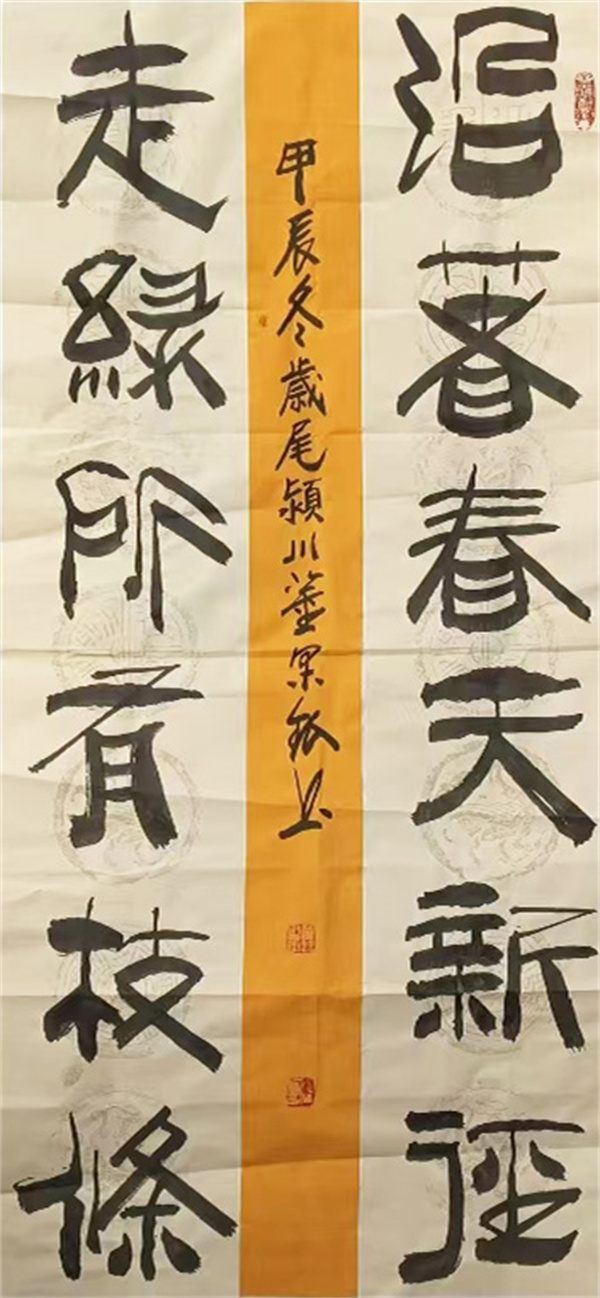
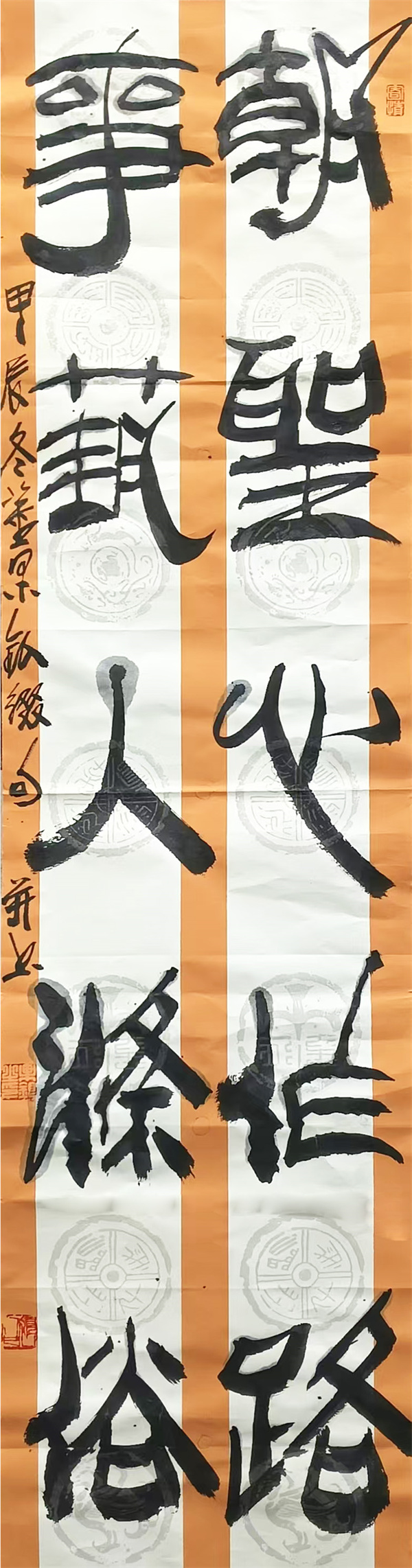
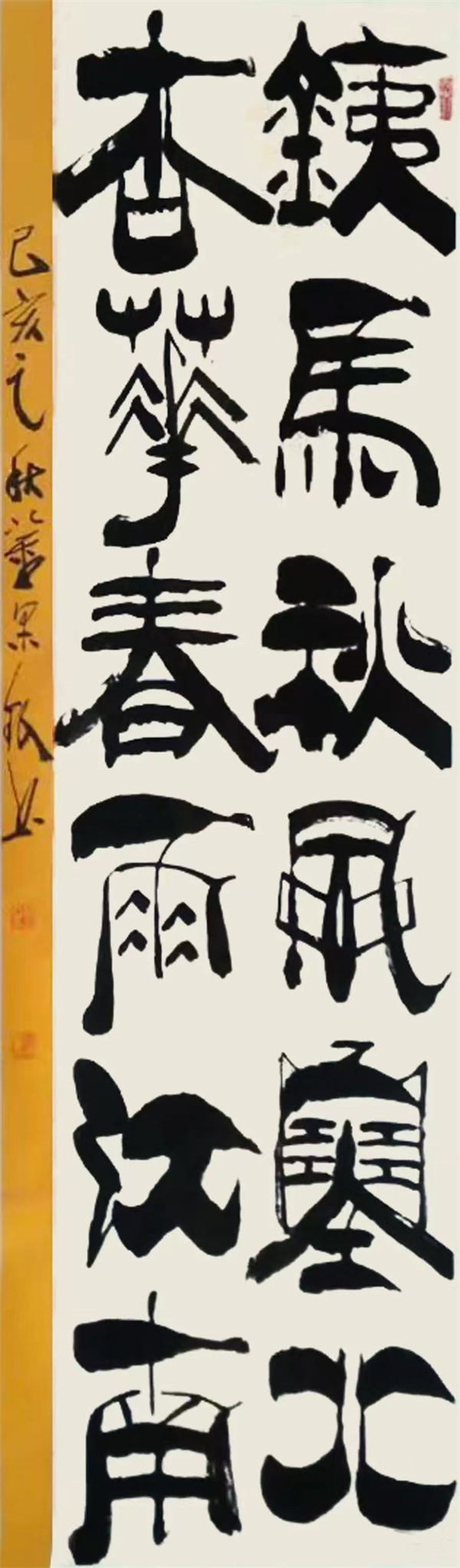
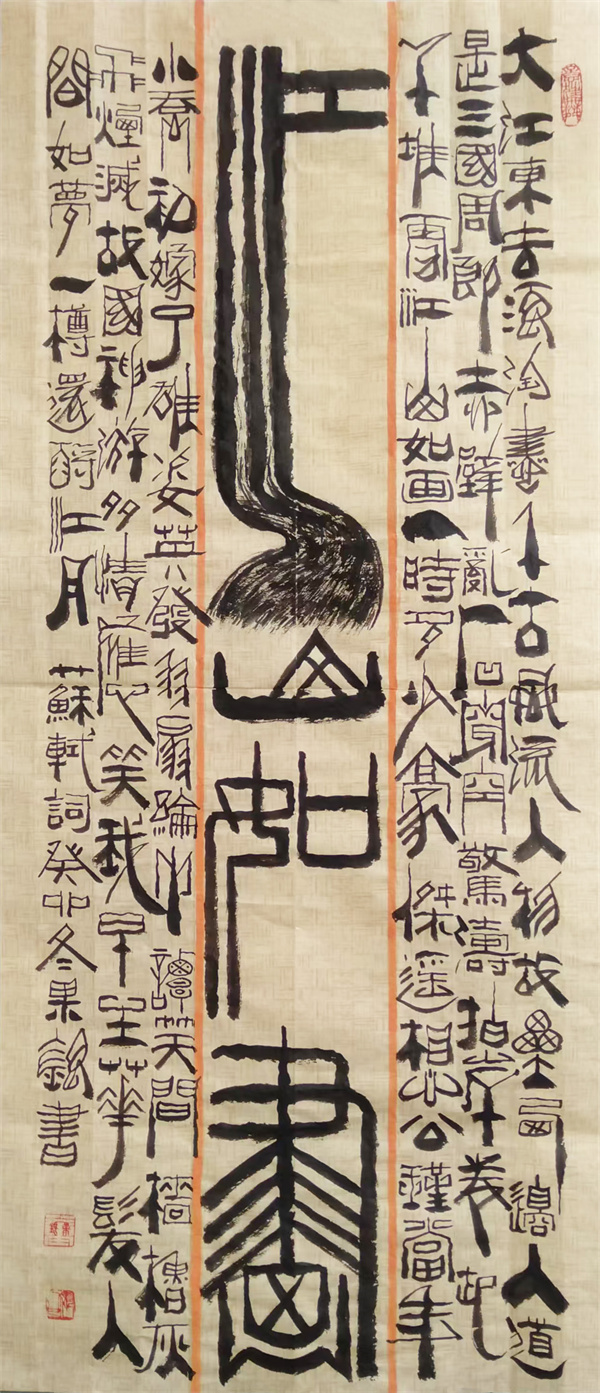
Zhengli is the foundation of Dong Guoyin's clerical script system. His official script follows the classic Han script, such as the simplicity and thickness of the "Zhang Qian Stele" and the strength of the "Li Qi Stele", but is not limited by the shape of ancient steles. Looking at his official works, the characters are square and unique, with thick strokes resembling iron casting and light strokes resembling cicada wings. The characteristic of "silk head and tailcoat" in the official script is endowed with personalized ink language. He is well aware that "the calligrapher is like him, like his learning, like his talent, like his aspirations, in short, like the person he is" (Liu Xizai's "Yi Gai · Shu Gai"). His adherence to the aesthetic rules of the clerical script is the principle of "guarding the upright" in his official script, which follows the aesthetic principles of "using square strength as the bone and round and smooth as the flesh" in his strokes and strokes; And 'emerging new' is reflected in the bold reconstruction of space, the contrast of black and white within individual characters, and the layout of the entire work, all breaking through the formulaic style of traditional Han Li inscriptions and injecting contemporary visual aesthetic interest, making Zhengli both simple and powerful like ancient Li and formal tension like modern art.
Xingli: With a balance between vertical and horizontal movements, it connects to the pulse of clerical script
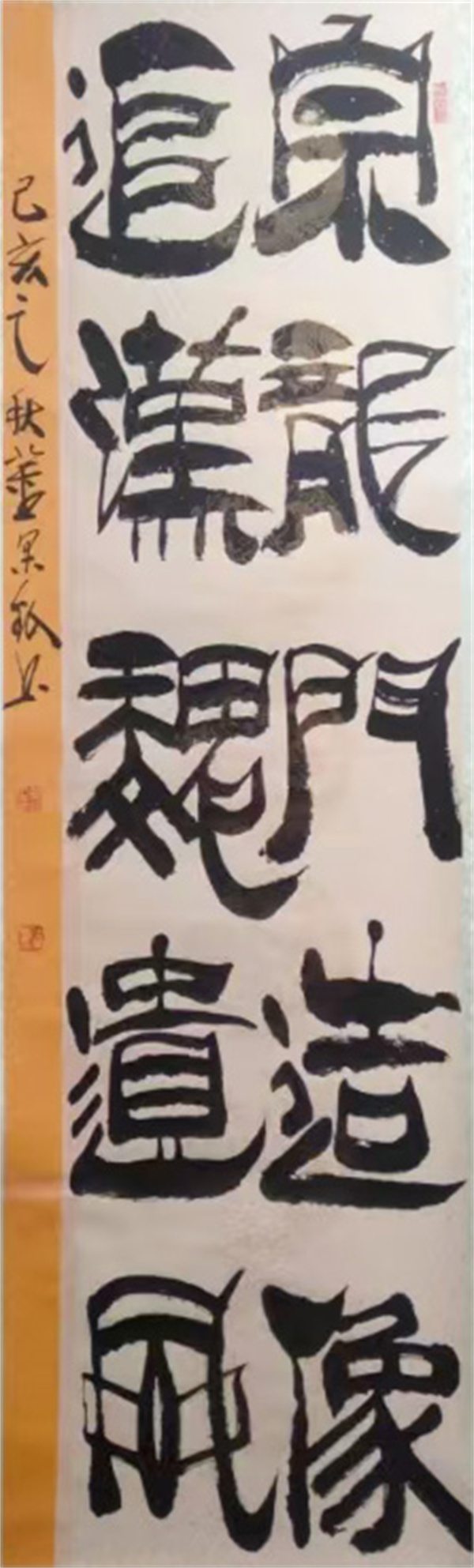
Xingli is Dong Guoyin's exploration of the flexibility of clerical script strokes. The integration of the rhyme of running grass into the style of clerical script is a reverse thinking and creative extension of the history of "clerical changes". The coherence and movement of its brushstrokes, as well as the polka dots in clerical script, are no longer isolated decorations, but become natural nodes for the flow of brushstrokes. This is just as Sun Guoting's "Shupu" stated, "One point becomes a rule of one character, and one character is the final standard." Dong Guoyin's official script is based on the structure of clerical script as the "rule", and the stroke meaning of cursive script as the "standard", achieving the blood connection between "li" and "xing". The linkage of strokes and the rounding of shapes, while maintaining the essential characteristics of clerical script, endow the work with a dynamic sense of rhythm. This not only avoids the rigidity of pure clerical script, but also retains its heaviness, effectively expanding the dimensions of clerical script expression and demonstrating his deep understanding and integration ability of the calligraphy stroke system.
Caoli (Xuanwoli): Bold and pioneering, creating a realm of clerical script
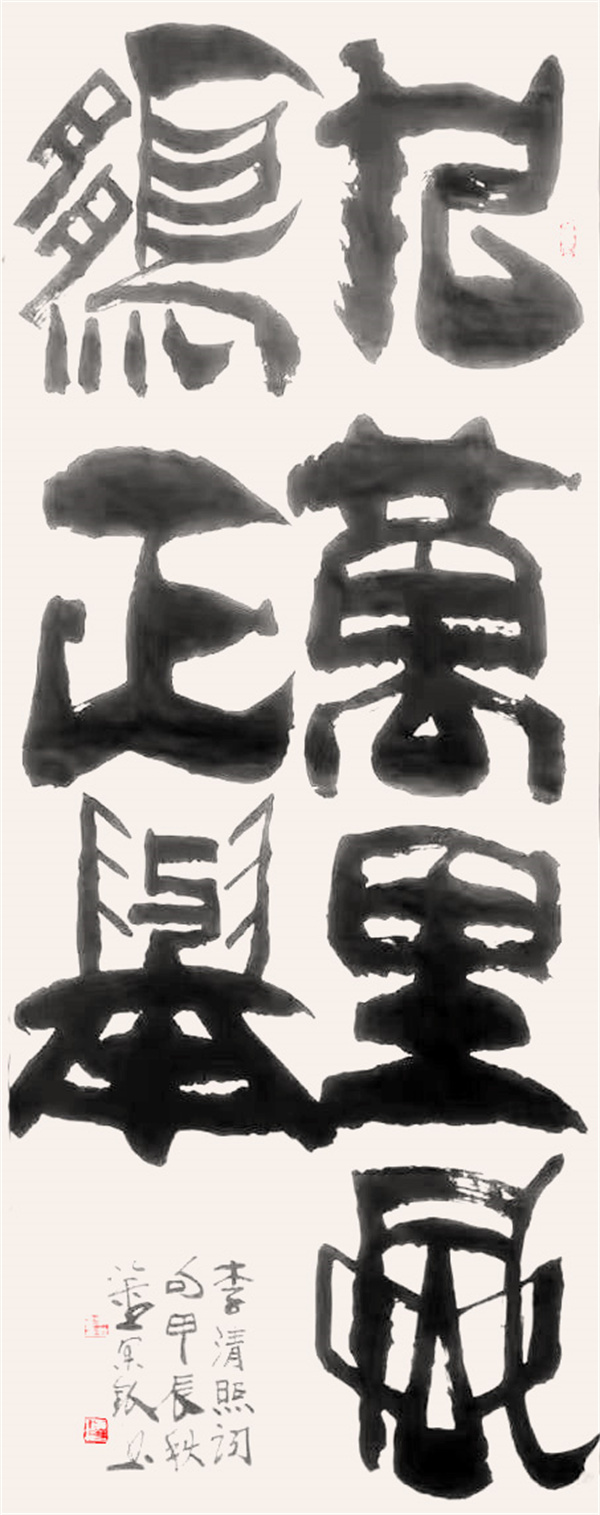
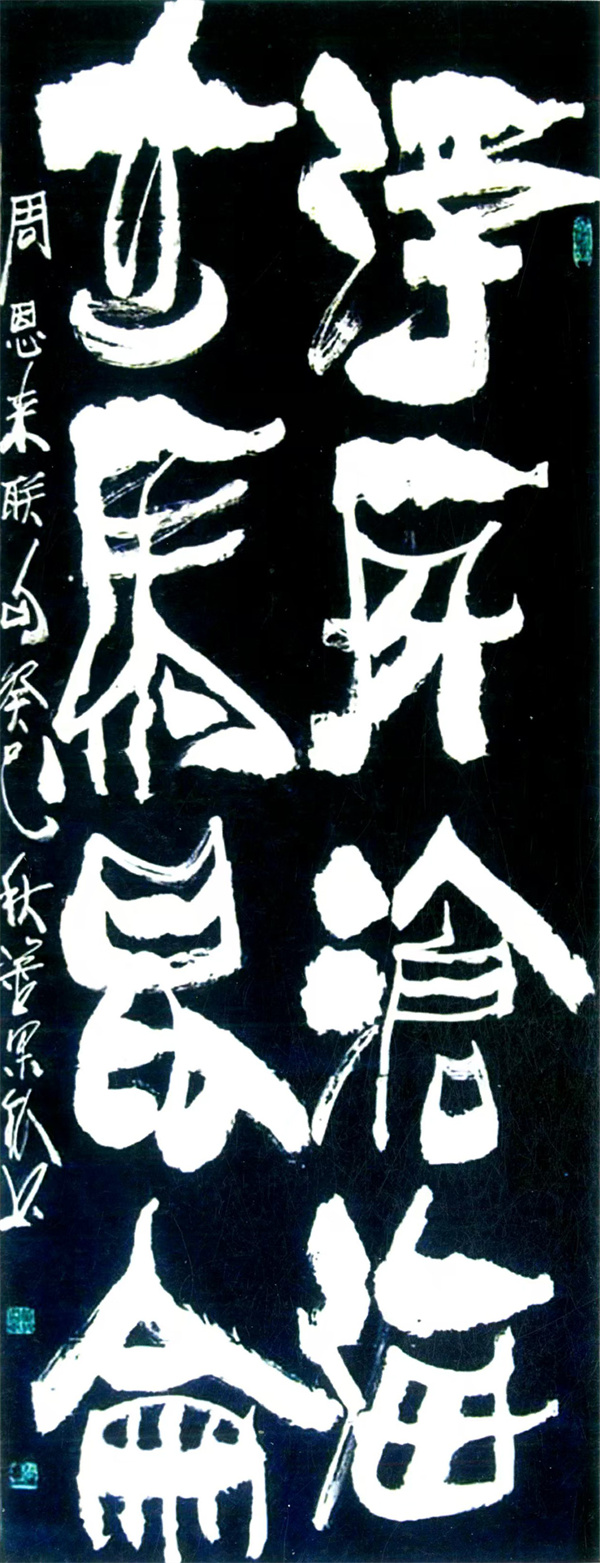
Caoli (Whirlpool Script) is the most groundbreaking innovation in Dong Guoyin's calligraphy. The deconstruction and reorganization of the characters in his cursive script works have reached a state of almost wild grass, but they have always been anchored to the spiritual core of clerical script. The entanglement of lines and the fluctuation of ink create a highly visually impactful "vortex" image, which is the ultimate interpretation of the "wonderful way of writing, where vitality comes first and form and quality come second" (Wang Sengqian's "Praise of Pen Intent"). He creates a strong artistic field in the form of a "vortex", transforming the simplicity of clerical script into a modern abstract aesthetic. Behind the seemingly "wild" brushwork, there is a precise control of the texture of clerical script lines - the turning of the center and the richness, weakness, and wetness of ink colors, all serving the bone of "clerical". This exploration is pioneering beyond the boundaries of traditional clerical script, opening up a new aesthetic dimension for clerical script art, and allowing clerical script to break free from the inherent impression of "the book of steles" and enter the diverse dialogue space of contemporary art.
Dong Guoyin's "Three Body System of Li Script" is a complete innovative system of Li script. Zhengli establishes its foundation, Xingli connects its veins, and Caoli expands its territory. The three support each other and together constitute his unique artistic language of clerical script. He is like a persistent pioneer, deeply cultivating at the intersection of Western humanism, life poetics, and Chinese calligraphy. With an artistic attitude of "staying away from the current trend and sharing shame with others", he practices the creative philosophy of "riding on things to wander". His works have been exhibited in countries such as Thailand, Japan, and Canada, winning numerous awards. This not only recognizes his exploration in the international art world, but also proves the strong vitality of traditional calligraphy in contemporary innovation.
In the current era where calligraphy innovation has become a topic of the times, Dong Guoyin's "Three Body Calligraphy" undoubtedly provides a highly valuable case study. His creation tells us that the innovation of calligraphy must be deeply rooted in the fertile soil of tradition, while absorbing diverse artistic nutrients with an open perspective. It also requires the persistence of "grinding pestles and scratching" and the courage of "innovation and change". Only in this way can one leave their own and clear traces of pioneering in the long river of calligraphy art.
Copyright Notice: Original content on this website is welcome to be reposted. Please indicate the source when reposting, Global Art Network www.caanets.com; Some of the content posted on this website comes from the internet. If there is any infringement, please contact this website to delete it.
Daily recommendations
- [Exhibition]Sketching Public Education ...
- [News]Russian Avant garde Art Exhibition
- [News]Stone Tiger's Last Ten Yea...
Weekly hot topics
- 1Tianyu Ballad showcases the ...
- 2Wu Shanming Chinese Brush In...
- 3Three calligraphers go to Pi...
- 4Kunyun Danqing · Yongkun Op...
- 5The Art Exhibition of 'Circu...